Last Updated on 1 month ago by admin
Why Bracing is so Important for Injury Recovery?
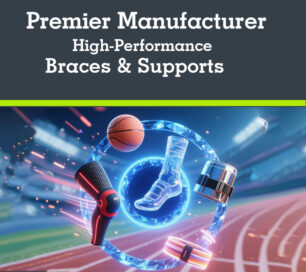
Dealing with an ACL tear, muscle strain, or tendonitis? Recovery can be slower than expected. A good brace can be a crucial tool—but knowing when to use it, how to choose the right type, and how it aids healing is key to a successful recovery.
What Does a Brace Do?
A brace provides external support to an injured area. Its primary functions are to: limit harmful movements, offload pressure from damaged tissues, reduce pain and swelling, and protect the joint during healing—allowing for safer movement.
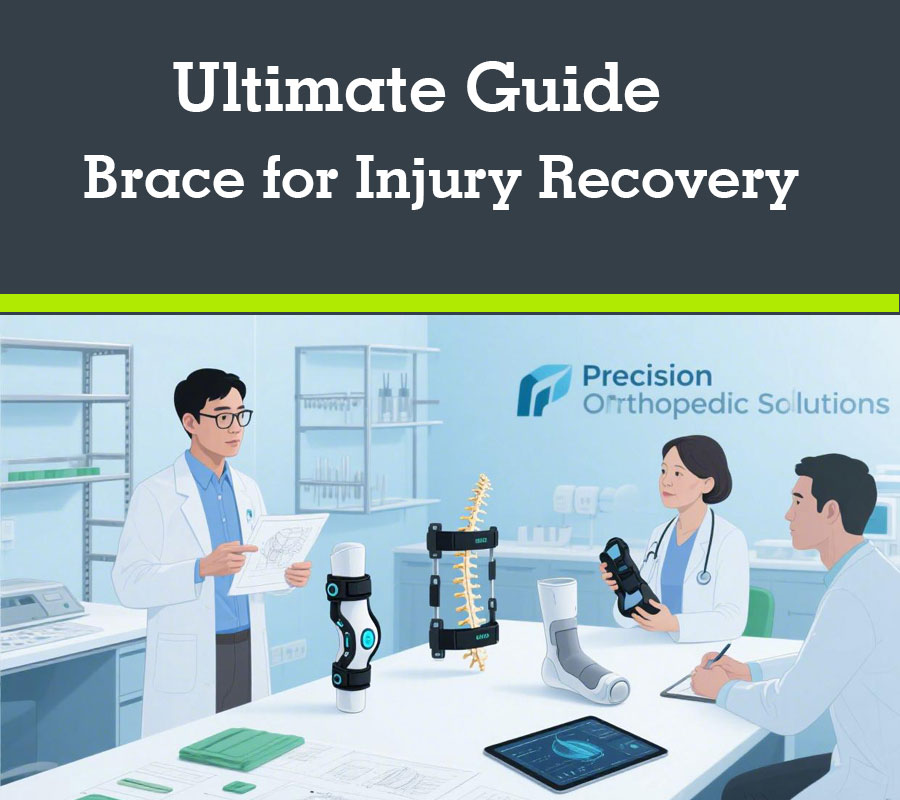
Types of Braces and Their Uses
Choosing the correct type of brace is critical for effective support.
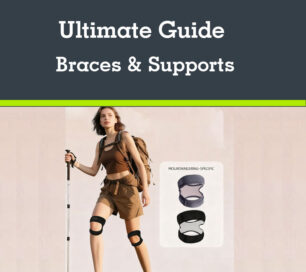
- Soft Braces / Compression Sleeves: Offer mild compression and awareness. Best for minor sprains, swelling management, or post-injury comfort.
- Rigid Braces: Provide maximum stability, severely restricting motion. Used for severe ligament injuries (like an ACL rupture) or post-surgical protection.
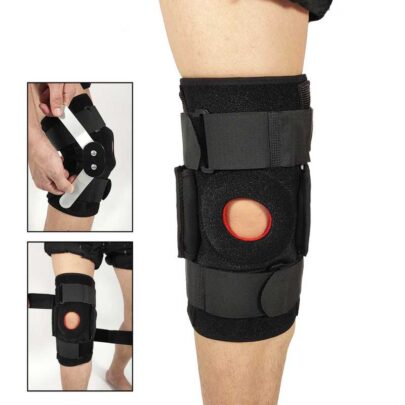
- Hinged Braces: Allow controlled movement within set, adjustable ranges. Ideal for knee recovery after surgery, enabling safe bending while preventing risky motions.
- Counterforce Straps: Target tendon pain (e.g., tennis elbow, jumper’s knee) by redirecting force away from the injured tendon.
Recommended products
-
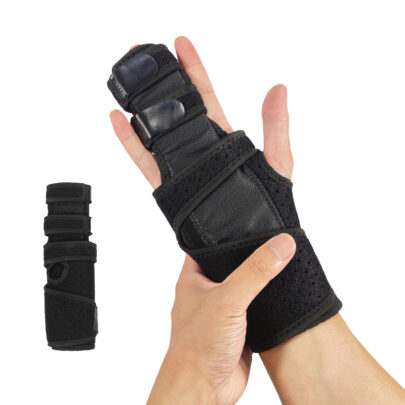
Trigger Finger Splint Finger Brace
-
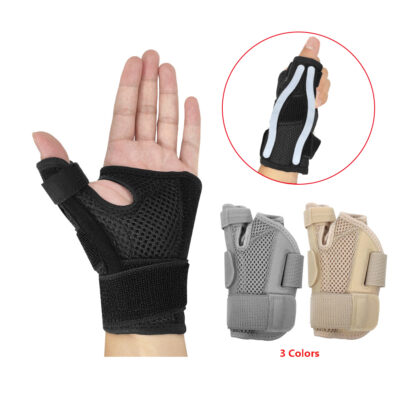
Thumb Spica Splint Thumb Brace for Arthritis
-
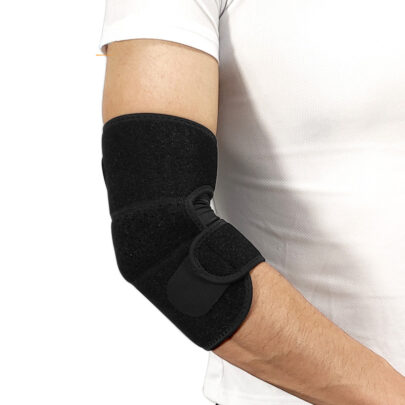
Tennis Elbow Brace For Tendonitis
-
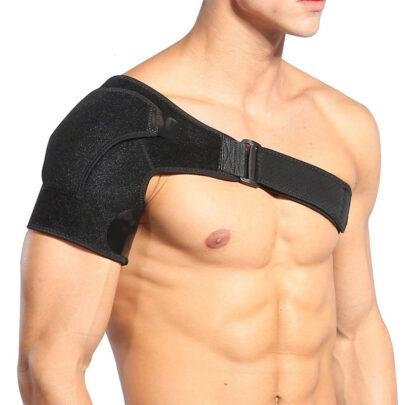
Shoulder Support Brace For Rotator Cuff
-
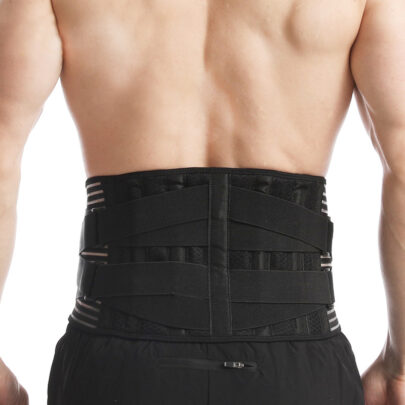
Lower Back Support Belt
-
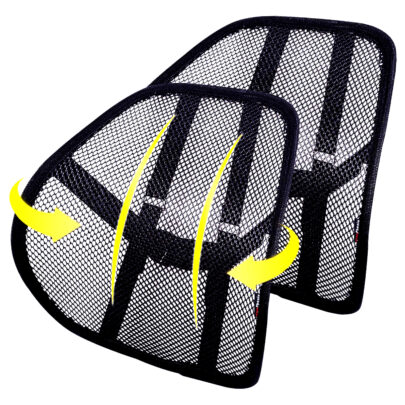
Lumbar Support For Car or Office Chair
-
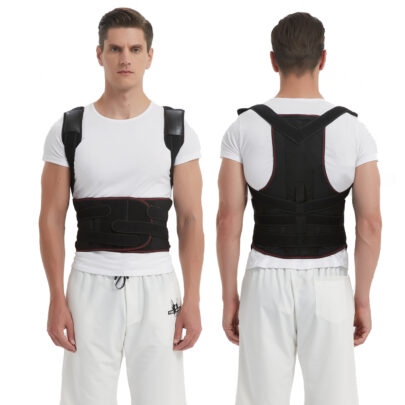
Back Brace Posture Corrector Unisex
-
Patella Knee Brace For Running
-
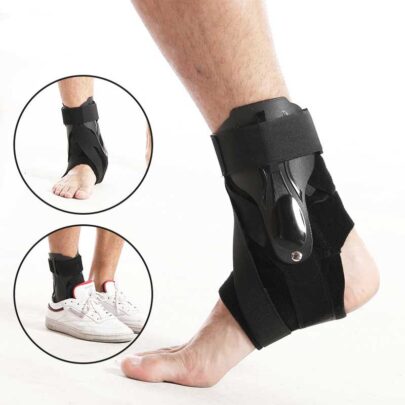
Strong Ankle Brace Support Stabilizer
How to Choose a Good Brace: 3 Key Factors
Not all braces are equal. Look for these essentials:
- Right Purpose: Match the brace to your specific injury. A knee sleeve won’t support an ACL tear.
- Quality Materials: Seek medical-grade compression, durable frames, secure straps, and breathable fabric for all-day comfort.
- Perfect Fit: A brace must fit snugly without slipping. Poor fit compromises support and safety.
4 Ways a Brace Speeds Up Injury Recovery
A well-fitted, purpose-built brace actively promotes healing by:
- Enabling Safe, Early Movement: It offloads pressure, letting you move sooner. Movement boosts blood flow, delivers nutrients, and prevents stiffness—without re-injury risk.
- Providing Strategic Restriction: For injuries like ACL tears, a hinged brace locks the knee at safe angles, protecting healing tissues while allowing walking.
- Reducing Pain & Swelling: By redistributing load and applying gentle compression, it minimizes pain and helps drain excess fluid.
- Creating an Optimal Healing Environment: Combining the above effects, a brace protects the injury, manages inflammation, and supports mobility—helping you recover faster.
When Should You Use a Brace? (And When Not To)
✅ Use a Brace For:
- Protecting a new acute injury (e.g., ankle sprain).
- Post-surgery support (e.g., after ACL reconstruction).
- Pain management during necessary daily activities.
- Controlled rehabilitation under professional guidance.
❌ Avoid/Wean Off a Brace For:
- Long-term use as a permanent crutch without rehabilitation.
- Performing activities that remain painful without addressing the underlying weakness.
- The goal is independence: Braces don’t get stronger—your muscles do. Over-reliance can lead to weakness.
Maximize Your Recovery: Brace + R.I.C.E. + Rehab
A brace is most effective as part of a full recovery plan:
- Rest & Protect: Use the brace during the initial protective phase.
- Ice & Elevate: In the first 72 hours, ice and elevate to reduce swelling.
- Follow Rehab Exercises: Gradually introduce gentle strengthening and stretching to rebuild support from within.
- Consult a Professional: Always get a proper diagnosis and personalized advice from a doctor or physical therapist.
Professional Medical Support & Custom OEM/ODM Solutions
For healthcare institutions, rehabilitation centers, sports teams, and distributors, standard braces may not always meet complex clinical needs or the specific requirements of a target patient group. We offer professional B2B OEM (Original Equipment Manufacturer) and ODM (Original Design Manufacturer) customization services, partnering with our clients to co-develop and manufacture precise support solutions tailored for specialized medical and performance applications.
Our Customization Capabilities Include:
- Design & Function Development: We work closely with you to customize materials, structure, support levels, and even integrate smart sensor technology, creating functional braces for specific rehabilitation phases or injuries.
- Branding & White-Label Partnerships: Full support for private labeling, allowing you to incorporate your organization’s logo, color scheme, and branding to enhance professional identity and patient trust.
- Bulk Production & Quality Assurance: Leveraging medical-grade manufacturing standards and a rigorous quality control system, we ensure consistent excellence, reliability, and safety across all custom products and bulk orders.
If you are a medical professional, institutional purchaser, or brand partner interested in exploring custom rehabilitation brace solutions for your patients or clients, our business team is ready to provide detailed information and partnership proposals. Let’s collaborate to advance recovery outcomes with precise, engineered support.
Key Takeaway
A brace for injury recovery is a powerful short-term tool to reduce pain, protect the joint, and enable safe movement. Use it wisely with the goal of gradually weaning off as your own strength and stability return. Choosing the right type of brace for your specific injury and following a comprehensive recovery plan is the fastest path back to your activities.