Last Updated on 5 months ago by admin
Looking for the best heel protectors in bed for pressure sores prevention? Heel pressure ulcers, sometimes known as pressure sores, or bedsores, can be a serious health concern for those who are in bed, have limited mobility or have additional medical risk factors such as diabetic foot disease or an inability to move.
Look through the wide range of wholesale custom manufacturing listings on online to find the right provider for Heel Off-Loading Devices.Metacare is right choice for you.Metacare Industrial Ltd is a professional manufacturer/Exporter/supplier of Safe Patient Handling and Protection.To address the risk of heel pressure ulcers, we need a solution that will keep the heel offloaded or elevated off the support surface. We offer a variety of products to meet the facility’s needs across the continuum of care.
Off-Loading Heel Protector: The Ultimate B2B Solution for Heel Pressure Ulcer Prevention
In most of the wound care cases that we encountered, the most common area where pressure sores develop in bedridden patients is not just the tailbone (coccyx), but also the ankles and heels, which are often overlooked by most of the caregivers.
In one of our case, the bedbound patient’s ankles and heels are presented with multiple blisters and open sores. Her history of diabetes made the wound healing even more challenging.
There is a risk of developing pressure sores when patient lies in the same position for a long period of time, and the protruded bony areas, i.e. ankles and heels are under prolonged pressure.
So, what could be done to prevent pressure sores from developing in ankles or heels of patient?
The best way is to ensure the heel is not in contact with the bed – the so-called “Floating heel”.
How do you achieve a “floating heel”?
Here are some key points which I concluded in short from the latest wound care guideline by National Pressure Injury Advisory Panel (NPIAP) and European Pressure Ulcer Advisory Panel (EPUAP):
1.First and foremost, there are several ways to “lift” the heel off the bed.
The most common being to use a soft pillow or foam cushion along the full length of the lower leg, leaving the heel suspended.
However, this is only suitable for patients who have not develop any pressure sores or with mild pressure sores
2.Another approach is to use commercially available heel support devices, namely Heel Off-Loading Devices (HOLDs). The devices help to completely relieve pressure in Stage III, IV or even more severe pressure sores.
- There are three common types of heel off-loading devices:
- Medical grade latex-free foam-based
- Pillow-based (Cotton)
- Air-based
3.The use of anti-decubitus foot rings is NOT recommended because the high pressure areas created by the edges of these rings can damage skin tissue.
4.Use of prophylactic dressings – Medical soft silicone foam dressings as a prophylactic measure to prevent friction is recommended in the guideline.
Studies have shown that the use of prophylactic dressings can reduce heel pressure injuries compared to no dressing.
Along with the use of prophylactic dressings, it is also recommended that other important prophylactic measures, such as heel off-loading devices should be continued.
The caregiver should also assess the skin for signs of pressure sore formation at the time of daily dressing changes.
5.Intermittent decompression – Assist the bedridden patient to turn every 2 hours and change the patient’s position at a 30° angle of inclination.
This will prevent prolonged pressure on either ankle or heel.
Pressure Ulcers are Preventable and Curable.
These are the 5 proven-effective ways as shown above.
Besides, check the skin condition of the bedridden patient’s feet at least once a day can also help to detect and treat pressure sores early.
In healthcare, preventing pressure ulcers is a critical priority, especially for patients with limited mobility. Off-Loading Heel Protectors, specialized medical foot sleeves, are designed to reduce heel pressure and prevent debilitating ulcers, enhancing patient outcomes. For hospitals, nursing homes, and medical equipment distributors, these devices are essential for improving care quality and reducing costs. This article explores the benefits, applications, and key considerations for sourcing Off-Loading Heel Protectors in the B2B medical market, guiding procurement managers and distributors to make informed decisions.
What is an Off-Loading Heel Protector?
An Off-Loading Heel Protector is a medical-grade foot sleeve or boot designed to alleviate pressure on the heel, a common site for pressure ulcers due to its bony prominence and thin tissue layer. Made from soft, durable, and antimicrobial materials, these protectors often feature cushioned padding, adjustable straps, and breathable fabrics to ensure comfort and hygiene. Some models incorporate advanced technologies like air chambers or gel inserts to further minimize pressure.The use of a special inner liner ensures that friction and shear forces are kept to a minimum.The heel opening promotes circulation and allows easy checking.
Key specifications include:
- Sizes: Available in universal or adjustable sizes to fit various foot dimensions.
- Weight Capacity: Supports patients up to 400-600 pounds, accommodating diverse populations.
- Materials: Antimicrobial, washable fabrics or disposable options for infection control.
- Design Features: Open-toe or full-coverage designs, with some offering visualization panels for easy skin assessments.
Compliant with standards like ISO 13485 or FDA regulations, Off-Loading Heel Protectors are a vital tool for B2B buyers seeking reliable pressure ulcer prevention solutions.
Benefits of Off-Loading Heel Protectors for Healthcare Facilities
Why are Off-Loading Heel Protectors a must-have for healthcare providers and distributors? Here are the key advantages:
- Effective Pressure Ulcer Prevention: By elevating or “floating” the heel above the bed surface, these protectors reduce contact pressure, minimizing the risk of heel ulcers, which account for up to 41% of hospital-acquired pressure injuries. Studies show a 95% reduction in heel ulcer incidence with consistent use.
- Enhanced Patient Safety and Comfort: The cushioned design and adjustable fit ensure patient comfort, reducing agitation and promoting compliance. Non-slip features enhance stability during repositioning, lowering fall risks by up to 50%.
- Cost Savings for Facilities: Hospital-acquired pressure ulcers cost facilities $2.2-$3.6 billion annually in the U.S., with treatment costs per case ranging from $5,000 to $50,000. Off-Loading Heel Protectors prevent these costly complications, offering significant ROI for B2B buyers.
- Reduced Caregiver Workload: Easy-to-apply designs with color-coded straps or intuitive features streamline application, saving nursing time. Facilities report up to 30% faster patient repositioning with these devices.
- Infection Control: Antimicrobial materials and cleanable surfaces align with hospital infection prevention protocols, reducing cross-contamination risks.
These benefits make Off-Loading Heel Protectors a strategic investment for B2B healthcare providers aiming to enhance care quality and operational efficiency.
Heel protectors are an important tool in preventing and treating these heel pressure sores, but, with so many options available, it can be difficult to know which ones are best for your needs. This guide will help you choose the best heel protectors. It’s probably not as straightforward as you might have thought.
I’ve spoken to people who have searched for “sheepskin heel protectors” or some variation on “bed sore heel products”. The problem with searching this way is you will find thousands of cheap products that may not be optimised for your situation.
There are two things to be aware of
- 1) For maximum benefit there needs to be Zero pressure on the vulnerable heel area. This is true for prevention as well as for treating heel ulcers
- 2) You need to look beyond the current problem. This is because of the importance of continuity of care. A cheap product strapped to the heel might not be ideal if it prevents the user being mobilised quickly or it allows a contracture to develop.
One of the problems I have with this commonly used definition is that the term “unrelieved pressure” needs some qualification as we will see below.
Once an ulcer forms, that area will always be vulnerable to repeat ulceration because as the area heals the nature of the tissue is altered.
Prevention of ulceration is always important and much better than treating these wounds which represent a massive challenge for the health service as well as the people who experience them. Heel ulcer prevention can be managed with a heel protection product. As we will discover, some of the products available are inexpensive but may not be the best option. We will explain why.
We believe potential users or their clinicians need to bear a few things in mind that are not obvious.
- there is no safe level of heel pressure – other than zero
- always think of the options for continuity of care
Applications of Off-Loading Heel Protectors in Healthcare Settings
Off-Loading Heel Protectors are versatile solutions with broad applications in the B2B medical equipment market:
- Hospitals: Used in ICUs and surgical wards to protect bedridden patients, particularly those with prolonged immobility or post-surgical recovery needs.
- Nursing Homes: Essential for elderly patients at high risk of heel ulcers due to reduced mobility or chronic conditions like diabetes.
- Rehabilitation Centers: Support patients recovering from lower extremity surgeries or injuries, ensuring safe healing without pressure-related complications.
- Hospice Care: Provide comfort for palliative care patients, minimizing pain and skin breakdown during extended bedrest.
For instance, a 550-bed facility implementing Off-Loading Heel Protectors reported a 95% reduction in heel pressure ulcers, saving an estimated $1.04 million annually. This makes them a high-demand product for B2B distributors serving diverse healthcare settings.
Metacare Heel Protectors
People with limited mobility, especially those confined to a bed, are often at risk for painful heel pressure injuries. Metacare Heel Protectors help reduce the risk of bedsores by keeping the heel floated, relieving pressure.
The effects of using heel protectors on the prevention of heel pressure injuries and plantar flexion contractures
Our comprehensive selection of Heel Pressure Relief products are designed to alleviate discomfort and prevent the development of pressure sores and ulcers. From heel protectors to full wedges and boots, these products are made with low-friction constructions for enhanced comfort and support for individuals in hospitals, care homes and at home.
Protect at-risk heels with intuitively designed offloading boots, Superior offloading boots created with help from clinicians
Heel Protector offers an ideal heel offloading device for optimal relief and redistribution of pressure, which also helps prevent pressure ulcers and limit medial and lateral rotation on heel wounds. Its soft inner lining is not only comfortable for patients but also relieves friction and shearing on the skin.
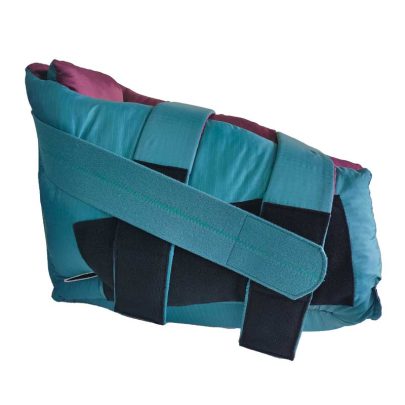
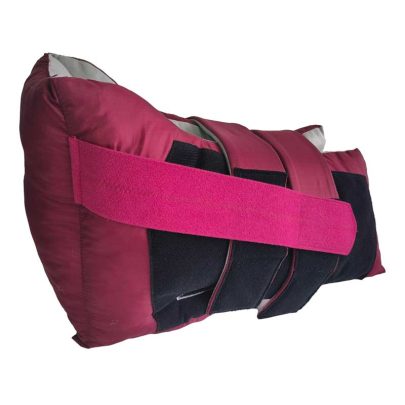
Featuring an ingenious design, Metacare’s pillow-like, foam-filled open-heel protector helps with easy clinical monitoring of the skin and airflow, therefore, preventing the build-up of perspiration and bacteria.
Each of the straps can be adapted to the patient, preventing foot drop, movement and further irritation of the heel wound that could cause additional skin damage. The optional stabilisation wedge offers supplementary heel protection by ensuring the correct positioning of the heel and eliminating pressure and rotation.
Additionally, its nylon and polyester exterior offers a durable surface that is easy to clean, either by hand with a damp washcloth or cleaning wipe, or in a washing machine. The included mesh laundry bag is ideal for washing and sorting needs.
Here is a list of off-loading heel protector brands available on the market, categorized for your reference:
Top Medical Brands – Major International Brands
Various medical and specialized brands provide off-loading heel protectors and suspension boots designed to prevent and treat pressure ulcers. These brands are widely available through online medical suppliers and retail platforms.
Metacare
Example Product: off-loading heel cushion/protector,Offloading Heel Boot For Heel Check
Key Feature: Available in foam or sheepskin-style materials, focusing on comfort and off-loading,The use of a special inner liner ensures that friction and shear forces are kept to a minimum.The heel opening promotes circulation and allows easy checking.
Sage Stryker®
- Products: The Sage Prevalon Heel Protector III is a notable product that offloads the heel and helps prevent lateral rotation, reducing the risk of peroneal nerve damage.
- Review Highlights: Reviewers and clinical sources highlight the Prevalon’s ability to keep the heel completely lifted off the mattress and its derma-suede interior fabric that gently grips the limb to keep it in place, even when the patient moves.
Skil-Care®
- Products: Skil-Care offers several options, including the Skil-Care Original Heel Float Boot and the Skil-Care Wipe-Clean Heel-Float Boot, which use a design to keep the heel floating above the surface.
- Review Highlights: These products are often noted for being effective options for pressure ulcer prevention due to their floating design and ease of maintenance.
NYOrtho®
- Products: NYOrtho offers items such as the NYOrtho ZERO-G Heel Cloud with Wedge and the NYOrtho Pressure Relief Heel Boot.
- Review Highlights: These products are praised in user reviews for being comfortable, made in the USA, and some include a cooling gel pack feature.
DARCO®
- Products: For off-loading while walking, the DARCO HeelWedge is a post-operative shoe that is clinically proven to shift weight to the mid and forefoot to promote healing of heel wounds and ulcers.
- Review Highlights: This is specifically for ambulatory patients (though not for driving or extensive walking) and focuses on off-loading when the user is upright.
Posey® Premium Heel Guard
Described on Rehabmart.com as ideal for patients at risk for skin breakdown and friction burns, protecting the heels from the formation of pressure sores.
TIDI Posey offers variations using foam padding designed as heel offloading devices.
EHOB TruVue® Heel Protector
According to the manufacturer EHOB, this is a market leading advanced care solution to effectively offload the heel and reduce the risk of pressure injuries and ankle contractures.
The elongated open foot gate allows for easy skin assessments.
Medline
Example Product: Remedy Heel Protector
Key Feature: Available in foam or sheepskin-style materials, focusing on comfort and off-loading.
3M
Example Product: 3M™ Heel Protector
Key Feature: Foam construction, often with a removable design for skin inspection.
Cardinal Health
Example Product: Kendall™ Heel Protector
Key Feature: Foam-filled, adjustable strap design for long-term bedridden patients.
Ansell (Careplus)
Example Product: Skinguard Heel Protector
Key Feature: Water-resistant, breathable material with non-slip features.
Mölnlycke
Example Product: Mepilex Heel
Key Feature: Silicone adhesive technology, combines a soft dressing with a foam pad for pressure relief.
Smith & Nephew
Example Product: Allevyn Heel
Key Feature: Multi-layer foam dressing that absorbs exudate while dispersing pressure.
AliMed® Heel-Up Foot Positioner
Foam cushioning throughout protects calf, shin, malleoli, and forefoot areas. Distal end of calf pad is tapered to protect fragile Achilles area. Heel window allows air circulation and easy inspection. Skin-friendly, microsuede interior. Low-friction nylon exterior facilitates bed mobility and slides easily on bed linens to help maintain Heel-Up in proper position.
Ventopedic™ Heel and Ankle Offloading Boot
Ventopedic™ Heel and Ankle Offloading Boot offloads pressure on the three critical pressure ulcer areas: the heel, the lateral malleolus, and the medial malleolus. Openings at the heel and each side of the boot promote airflow and allow visual inspection. Hydrophobic and hydrophilic fibers allow the product to remain dry and comfortable even under extreme humidity. The 3-dimensional structure creates continuous ventilation for effective moisture control while also creating cushioning support under the calf, Achilles, and around foot area.
DeRoyal® PRUventor™ Heel Off-Loading Device
features soft, cool fabric and pressure-absorbing filling to protect the bony prominences. Soft securement straps keep the foot in neutral position. Open heel design makes offloading of the heel easily visible. Fluid and stain resistant material can be cleaned and disinfected if soiled. Reduction of level of bacteria without causing change of normal skin bacterial flora with the use of antimicrobial technology. Anti-rotation wedge attaches to either side of the boot. Compatible with sequential and intermittent compression devices (SCD/ICD) with easy exits for SCD/ICD tubing.
Ventopedic™ Heel and Ankle Protector
Protects heel and malleoli. Soft, adjustable straps position the foot and ankle securely, leaving the toes and heel exposed. Extra layers of VentoAir fabric under the calf allow heel to be suspended and protected. Hydrophobic and hydrophilic fibers allow the product to remain dry and comfortable even under extreme humidity. The 3-dimensional structure creates continuous ventilation for effective moisture control while also creating cushioning support under the calf, Achilles, and around foot area. Eliminates odors generally caused by excess humidity and helps prevent skin breakdown. Soft inner lining reduces of shear and friction. Soft, breathable nylon exterior with nonslip bottom glides smoothly over bed sheets. Adjustable straps position foot securely in the boot. Sewn-on ID tag facilitates easy identification and tracking.
HEELIFT® AFO
HEELIFT® AFO Ultra and HEELIFT® AFO are not typical ankle foot orthosis devices. HEELIFT® AFO boots also provide offloading benefits to help prevent heel ulcers. Additionally, the semi-rigid splint and the outer lining help maintain proper foot position and assist in preventing foot drop deformity.
Levabo Heel Up® Short/Long
A leading brand for inflatable off-loading cushions like the Heel Up range, which is often used in hospital environments.
DM Systems Inc.
Example Product: HeelZup™
Key Feature: Unique suspended/floatation design that completely elevates the heel off the surface.
ROHO
Known for air-cushion technology, with some products adaptable for heel pressure redistribution.
Covidien (Medtronic)
Offers a range of wound care products, including heel protection devices.
Common Brands in China & Asia
ConvaTec
A global wound care brand widely available, with specialized heel protection products.
Winner Medical (稳健医疗)
A leading Chinese manufacturer of medical dressings, producing foam heel protectors.
Zhende Medical (振德医疗)
Provides cost-effective, disposable heel protection sleeves.
Other Domestic Manufacturers
Brands like Wego (威高) and Blue Sail Medical (蓝帆医疗) also have relevant protective product lines.
Other Online Retail Brands
beside the Specialized and Niche Brands above
- Bauerfeind: Produces the GloboPed heel relief shoe.
- Rolyan: Offers fiber-filled heel boots and soft protectors.
- Vive Health: Provides affordable consumer-grade offloading boots often found on retail platforms.
- McKesson: A major medical distributor that also produces its own brand of convoluted foam heel and elbow protectors.
- Foot Defender: Manufactures specialized protective boots specifically for diabetic foot ulcer treatment.
Achieve the proper fit more easily for better outcomes
Clinicians rely on Metacare Advanced to completely offload heels, protecting these bony prominences from pressure injuries (PIs). When put to the test, Metacare Advanced demonstrates superior performance and ease-of-use compared to competitor’s products.

100% success rate
for preventing foot drop beyond 40° under all force conditions.

28% reduction
of pressure on vulnerable heels (on average) compared to a competitor’s device.

100% accuracy
of application among clinicians using Metacare Advanced compared to 54% and 62% with other offloading boots.
Explore our full portfolio of Metacare Heel Protectors
As many as 38.5% of stage 4 pressure injuries develop on the heel.3 Upgrade your pressure injury prevention protocols by choosing the right products to fully offload heels.
See Metacare in action:Request a demo
Simply complete this form and we will contact you soon to coordinate your live demo.
OEM OR White Label?
If you’re looking to start a business, you may have come across the terms “OEM” or “white label”. These terms refer to a type of product manufacturing and distribution that can be a great option for entrepreneurs who want to create their own brand without the hassle of developing and producing their own products from scratch. In this article, we’ll explain what OEM/white label is and how it works, so you can decide if it’s the right option for your business.
OEM (Original Equipment Manufacturer) and white label are often used interchangeably to describe a product manufacturing and distribution model in which a manufacturer creates a product and another company rebrands it as their own. In other words, the manufacturer produces the product but doesn’t put their own branding on it – instead, they allow the company they’re working with to put their own branding on it.
What Is The Differences Between OEM And White Label?
The main difference between OEM and white label is that OEM products are typically designed and manufactured with a specific company in mind, while white label products are typically generic, unbranded products. So if you’re looking to create your own branded product with a custom design, then OEM may be the best option for you. On the other hand, if you’re looking for a cost-effective way to get your product to market, then white label may be the better option.
Is OEM/White Label Easy To Start?
Starting an OEM/white label business can be relatively easy, as it does not require the extensive research, development, and production processes involved in creating your own products from scratch. However, it still requires some level of planning, research, and investment to ensure that you are partnering with the right manufacturer and creating a successful brand.