Last Updated on 5 months ago by admin
When was the last time you had to lift your loved one out of bed or a chair? Did it make you wonder if you were going to end up in bed yourself with a bad back? Because caregiving can be such a strenuous physical activity, learning proper body mechanics for caregivers is essential to ensure you don’t hurt yourself in the process.
There are simple steps you can take to increase your strength and flexibility while ensuring both your safety and your loved one’s wellbeing. Even if lifts and transfers aren’t part of your daily routine, knowing how to protect your back is vital for caregiver injury prevention.
Ensuring a Safe Environment
A key element in lifting your loved one safely is creating a home environment that’s accessible, comfortable, and free of hazards. “The physical environment should support the caregiver lifting, not hinder it,” says Judith Sexton, foundation administrator for Home Instead Senior Care.
For optimal home safety for caregivers, consider these improvements:
- Remove loose rugs and clutter from pathways
- Arrange furniture to create wide, clear paths for movement
- Install grab bars in bathrooms and other transition areas
- Ensure adequate lighting throughout the home
- Consider a hospital-style adjustable bed to reduce bending
According to the U.S. Department of Health and Human Services, more than 53 million Americans serve as home caregivers, performing a variety of tasks to support the health and well-being of an older adult or a person with a disability.
Caregiver Safety Tips
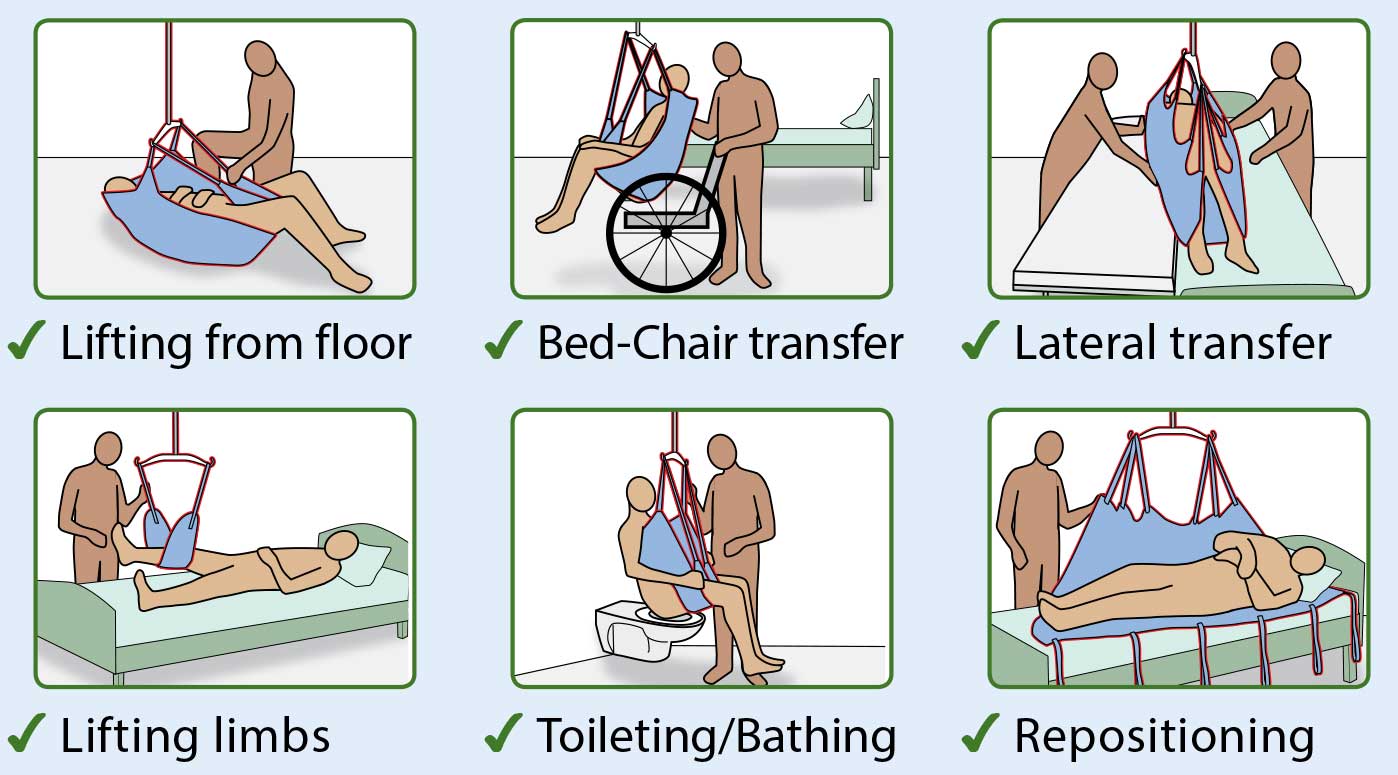
Using lifts for these activities may help caregivers avoid back injury:
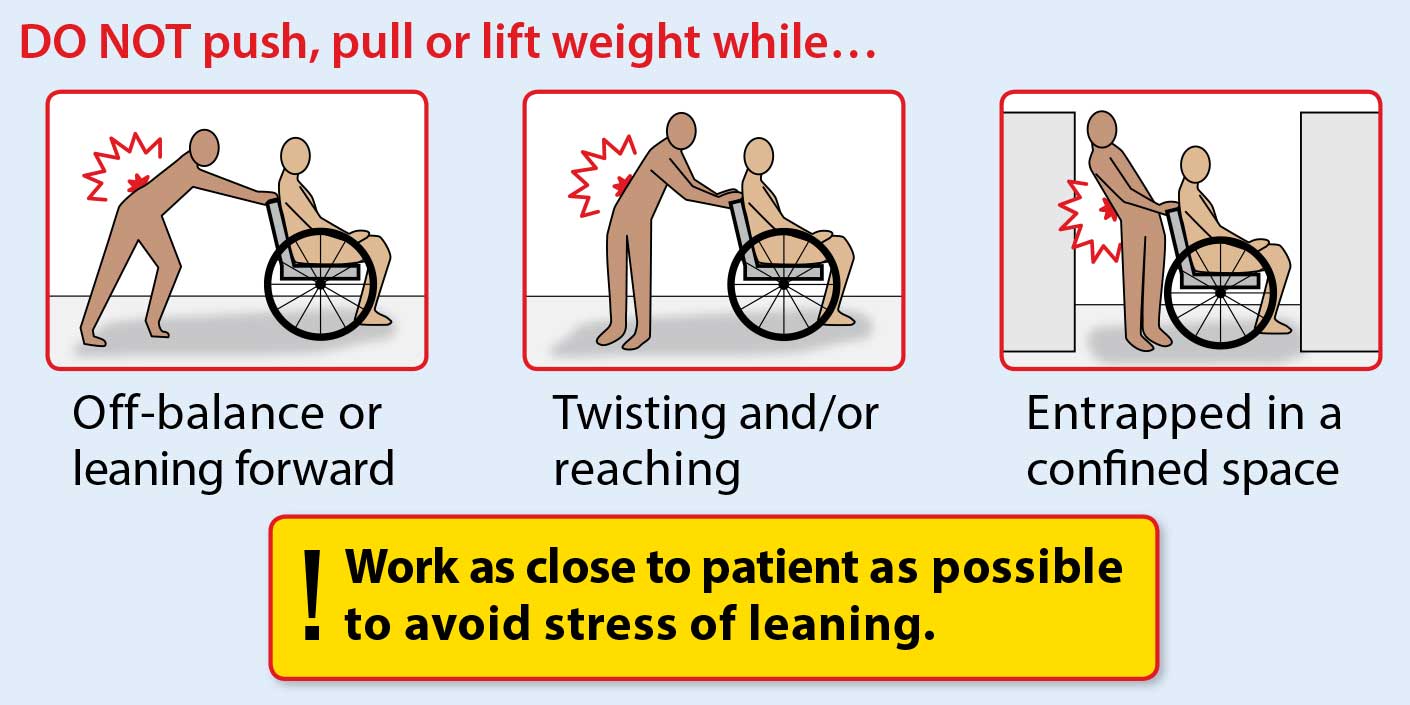
DO NOT push, pull or lift weight while:Off-balance or leaning forward,Twisting and/or reaching,Entrapped in a confined space
Lifting Techniques for Home Caregivers
While being a caregiver can be rewarding, taking care of a spouse, other family member, or friend at home can also be emotionally and physically challenging. This article focuses specifically on lifting, turning, and transferring the patient — physically demanding actions that can put both the patient and the caregiver at risk for injury.
The most commonly injured areas for caregivers are the back, neck, and shoulders. These injuries are often caused by overuse — repeating the same lifting or pulling motions again and again.
- Pulling a person who is reclining in bed into a sitting position.
- Transferring a person from a bed to a wheelchair.
- Leaning over a person for long periods of time, such as while bathing or feeding the person.
Using proper lifting techniques can help prevent injury. The following general guidelines can help you to lift and transfer patients safely. Many communities and local hospitals also provide training to help non-professionals properly care for a family member at home.
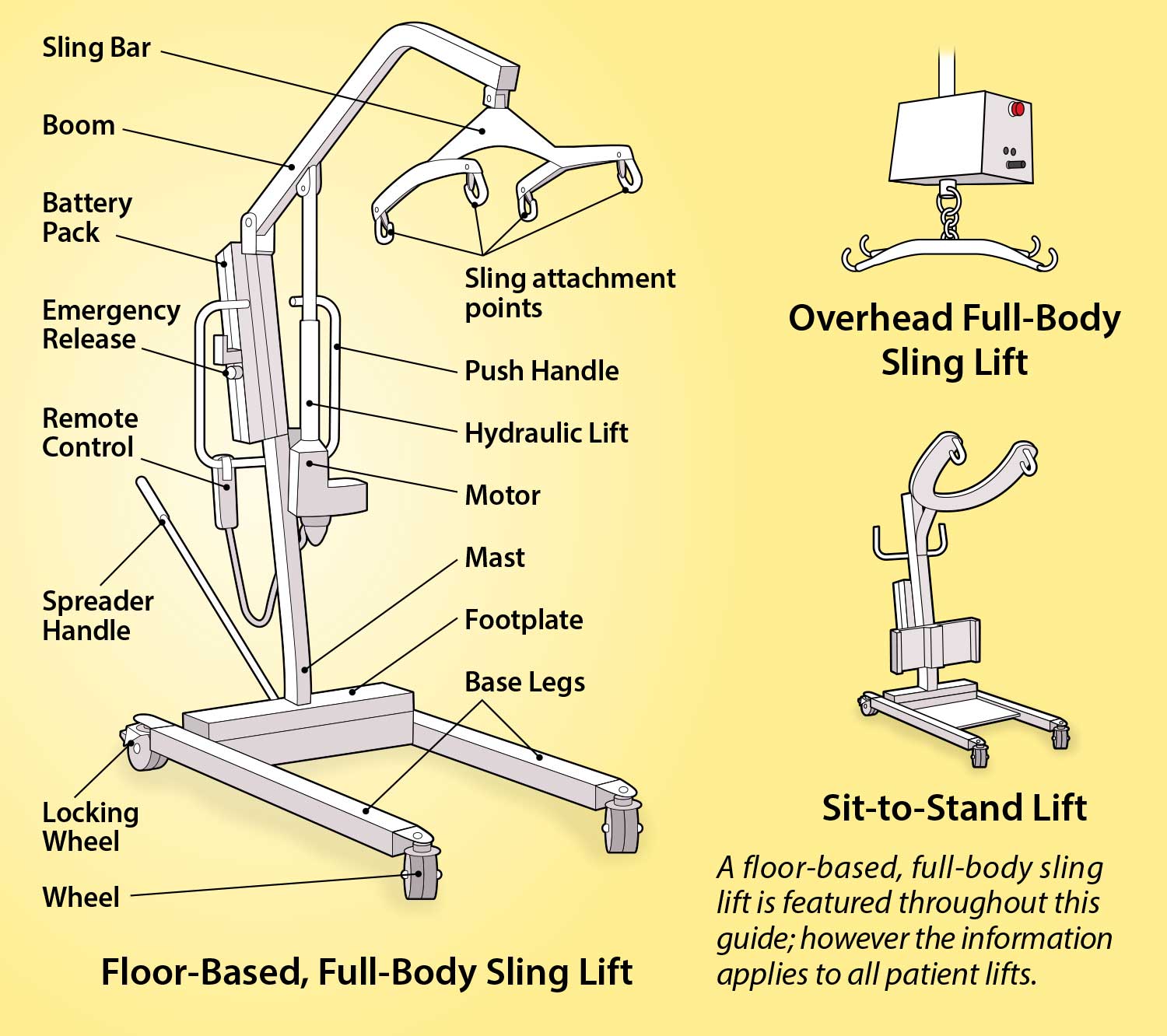
Know Everything About The Patient Lift
Receive training and practice before operating a lift.
Check Patient’s Condition
Before using a patient lift, check:
Patient’s physical capabilities
- Check to see if patient can assist with transfer.
- Check patient’s weight and physical condition; use manufacturer’s guidelines to make sure lift is appropriate.
- Determine how many caregivers are required to safely lift the patient.
Patient’s medical condition
- Make sure you have correct lift and sling for patient’s condition.
- Ensure the lift will not make the patient’s condition worse.
Patient’s mental status
- If alert, ensure patient is able to understand and follow instructions.
- Make sure patient is ready to be placed in a lift.
The use of a patient lift should be avoided if the patient is agitated, resistant or combative.
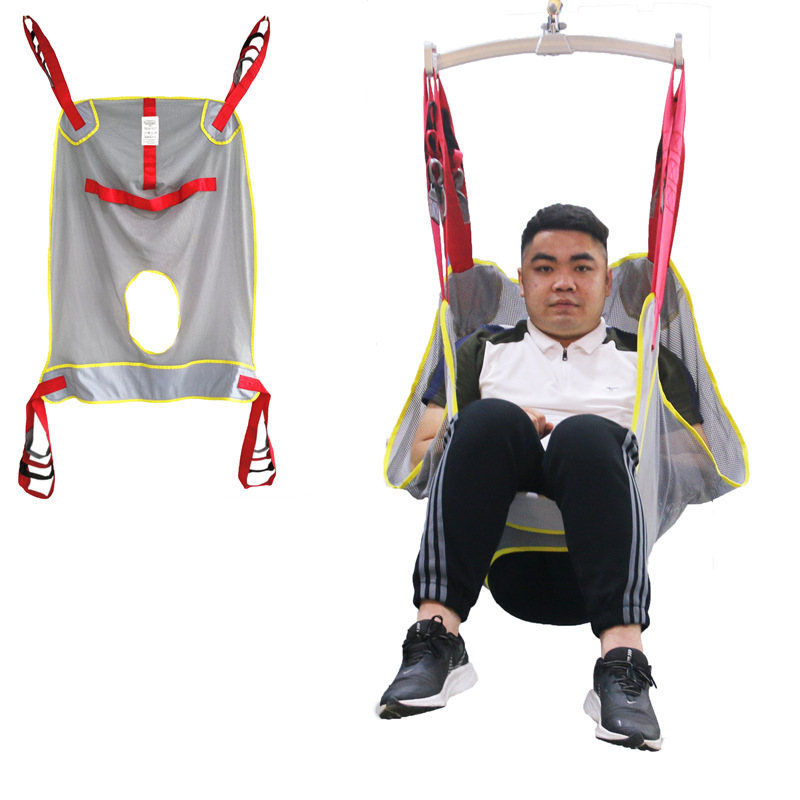
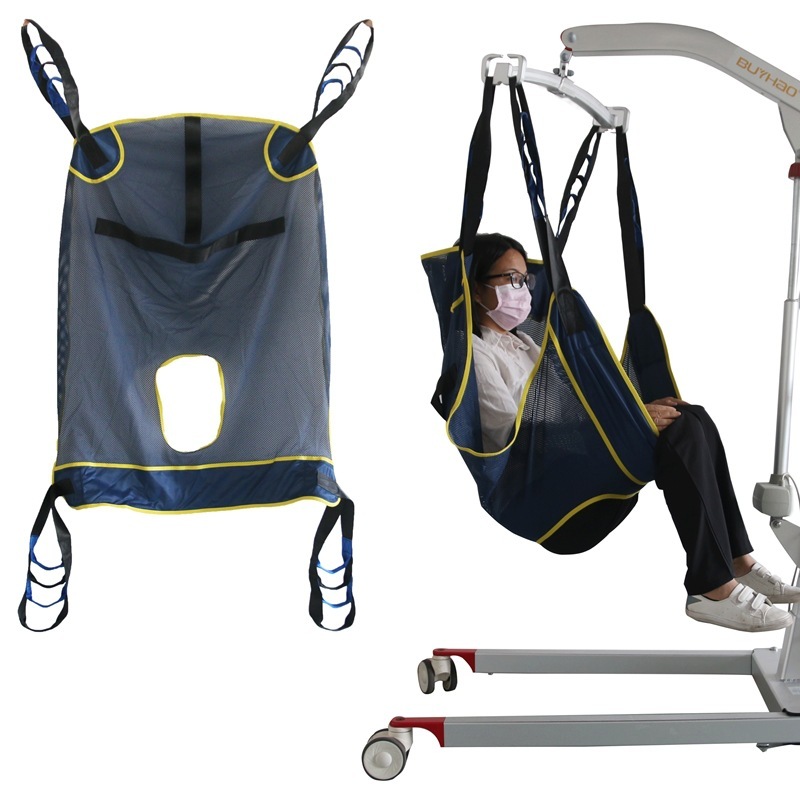
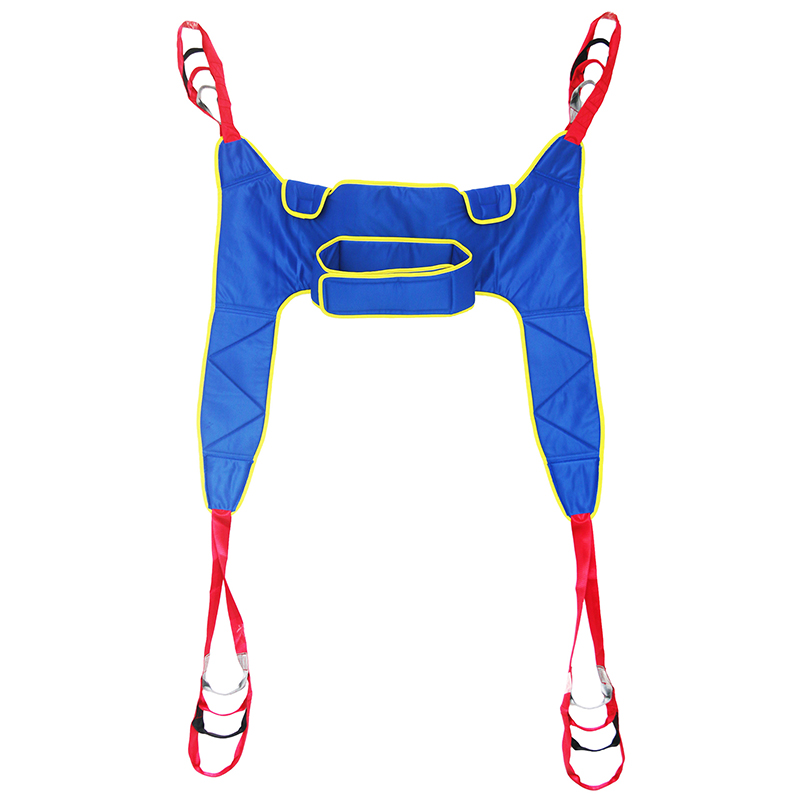
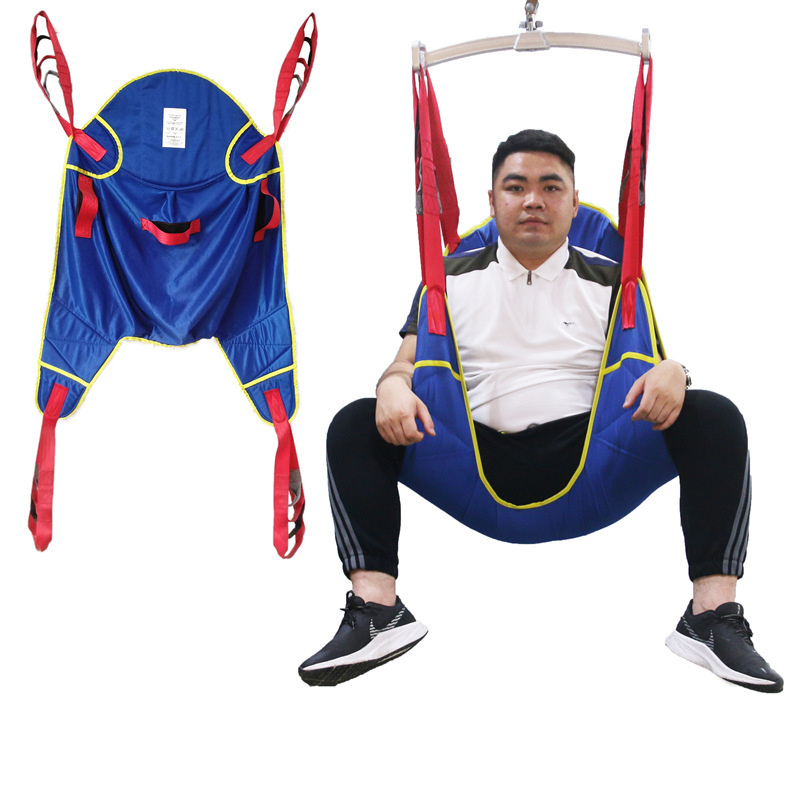
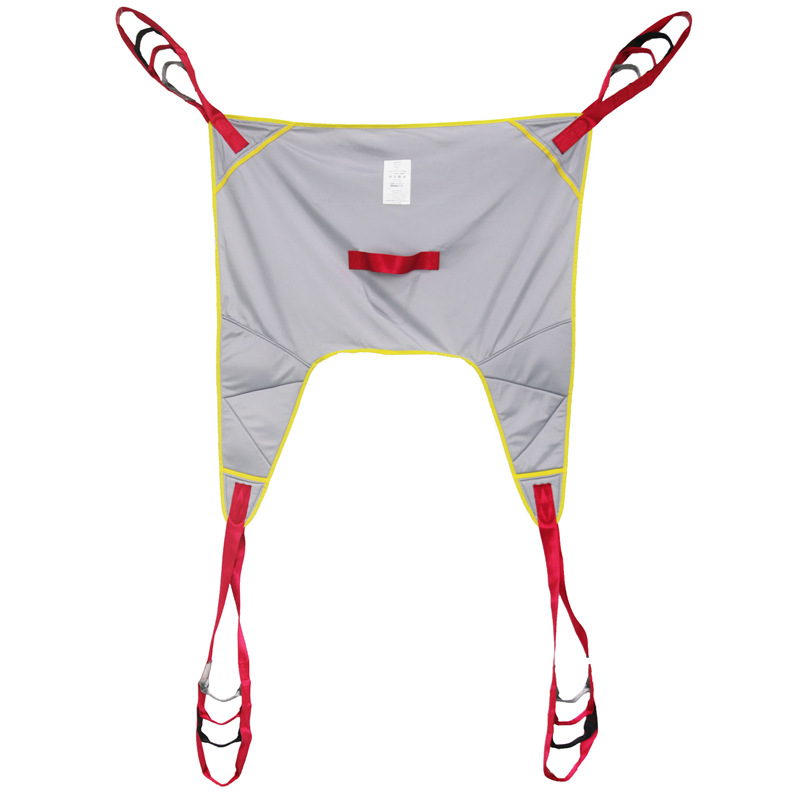
Choose the Right Sling for Your Patient
- Assess patient’s size, weight and hip measurement.
- Choose size of sling based on manufacturer recommendation for patient’s measurements. Choosing correct sling size is critical for safe patient transfer.
SLING TOO LARGE:
Patient may slip out.
SLING TOO SMALL:
Patient may fall out. Sling may worsen patient’s condition.
IF BETWEEN SIZES:
Smaller size may keep patient more secure.
!Using the wrong sling or attaching the sling incorrectly may cause an accident that can result in serious injury or death.
How to choose the right sling bar
! Only use a sling specifically designed for your lift. Using the wrong sling may cause serious injury.
To increase patient safety, use the correct type and size of sling for your patient. Select sling and sling bar based on manufacturer recommendations for the following criteria:
- Type of transfer task
- Patient’s medical condition
- Need for head support
- Patient’s size and weight
- Need for padding
- Need for full back support
- Pressure sensitivity
- Patient’s preferred or medically appropriate position

Sling Bars
- Use a sling bar that is appropriate for the patient’s size.
- Choose sling bar/sling combination that will place patient at a safe angle.
- Only use sling with correct clip or loop attachment type for the sling bar.
Prepare Environment
Determine number of caregivers needed:
Most lifts require two or more caregivers to safely operate lift and handle patient.
Position lift and receiving surface:
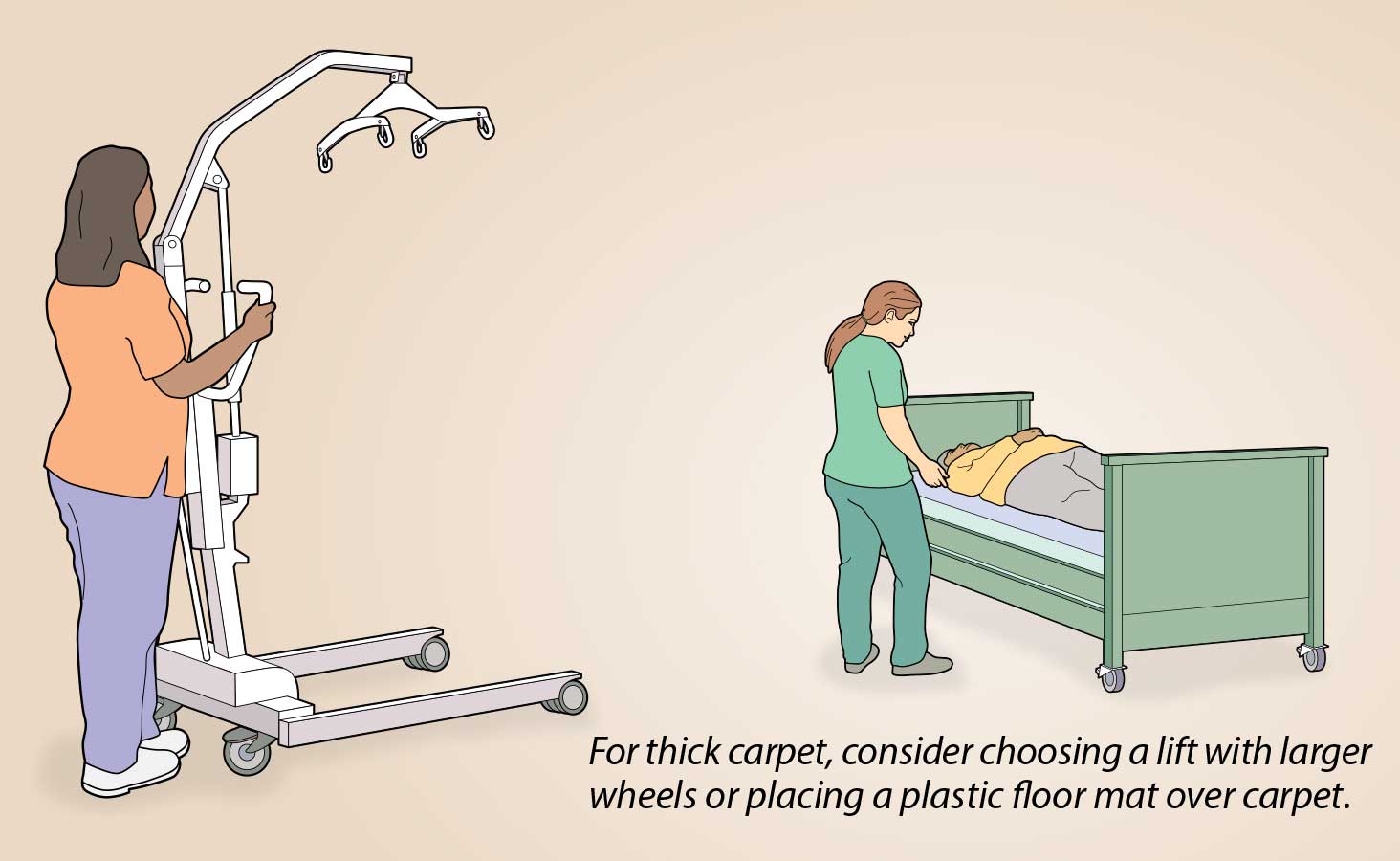
- Move lift base legs near or around patient’s device. Base legs are usually more stable in full open position.
- Position lift and receiving surface at correct height to transfer patient easily.
Clear path for lift:
- Ensure there is space for lift to pivot and move freely to receiving area.
- Ensure lift is able to fit under or around receiving surface and through doorways.
Prepare Equipment:Patient Lift / Lift Sling
! Do not use lift to transport patient unless lift is specifically designed for transport.
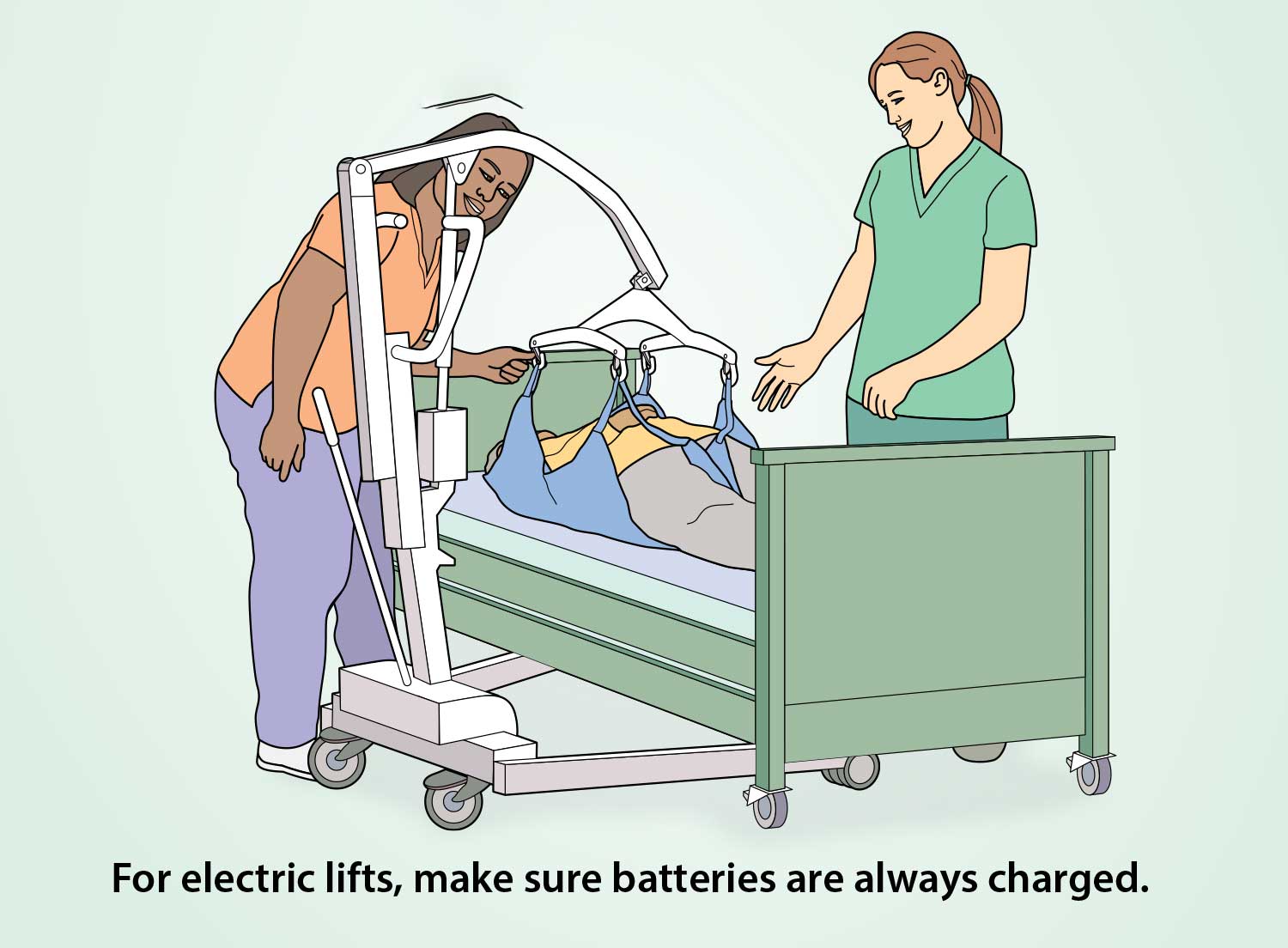
- Ensure battery is charged for transfer.
- Test lift controls before bringing lift to patient. Make sure the emergency release feature works.
- Ensure receiving surface is stable and locked.
- Ensure slings, hooks, chains, straps and supports are available, appropriate and correctly sized.
- Check lift and sling weight limits. Ensure patient’s weight does not exceed the limits.
- Examine sling and attachment areas for tears, holes and frayed seams. DO NOT USE sling with any signs of wear
Place Patient in Sling
!Using the wrong sling or attaching the sling incorrect may cause serious injury to the caregiver or patient.
Place patient in sling
- Position center of sling under patient’s spine.
- Place leg straps flat under patient; do not let material fold.
- Make sure sling opening is not large enough to let patient slip out or too small to let patient fall out.
Lower sling bar down to patient. Do not let sling bar hit patient.
Attach sling straps to sling bar as directed by manufacturer.
- Use matching loops from each side to ensure sling is balanced. Choose loops that provide best angle and position for patient.
- Ensure all clips or loops are secure and will stay attached as patient is lifted.
- Ensure straps are not twisted.
- Ensure patient’s head and/or back is supported, if needed.
Perform Safety Check
Before lifting the patient, perform safety check:
- Examine all hooks and fasteners to ensure they will not unhook during use.
- Double-check position and stability of straps and other equipment before lifting patient.
- Ensure clips, latches and bars are securely fastened and structurally sound.
Lift the Patient
Lift patient two inches off the surface to make sure patient is secure. Check the following:
- Sling straps are confined by guard on sling bar and will not disengage.
- Weight is spread evenly between straps.
- Patient will not slide out of sling or tip backward or forward.
Check patient’s comfort:
- Make sure sling does not pinch or pull patient’s skin.
- Ask if patient is comfortable.
- Look for non-verbal signs of discomfort.
Slowly lift patient, only as high as necessary to complete transfer. Check the following:
- Patient is still comfortable.
- Sling will not hurt patient’s skin.
Lower the Patient
Use gentle hands-on pressure to guide patient as you slowly move lift toward receiving surface.
- Slowly lower patient toward receiving surface. Move patient’s
body into correct position on receiving surface before releasing patient’s weight. - Release patient’s weight. Do not let sling bar hit patient.
- Detach sling from lift using manufacturer’s instructions.
- Carefully remove sling from patient’s body, if necessary.Be careful not to hurt patient’s skin;Ensure that seated patients do not fall forward as sling is removed.
If power fails, use the emergency release to lower patient manually.
! Holding or supporting patient’s weight while in sling may cause straps or hooks to detach from lift.
Patient Lifts at Home
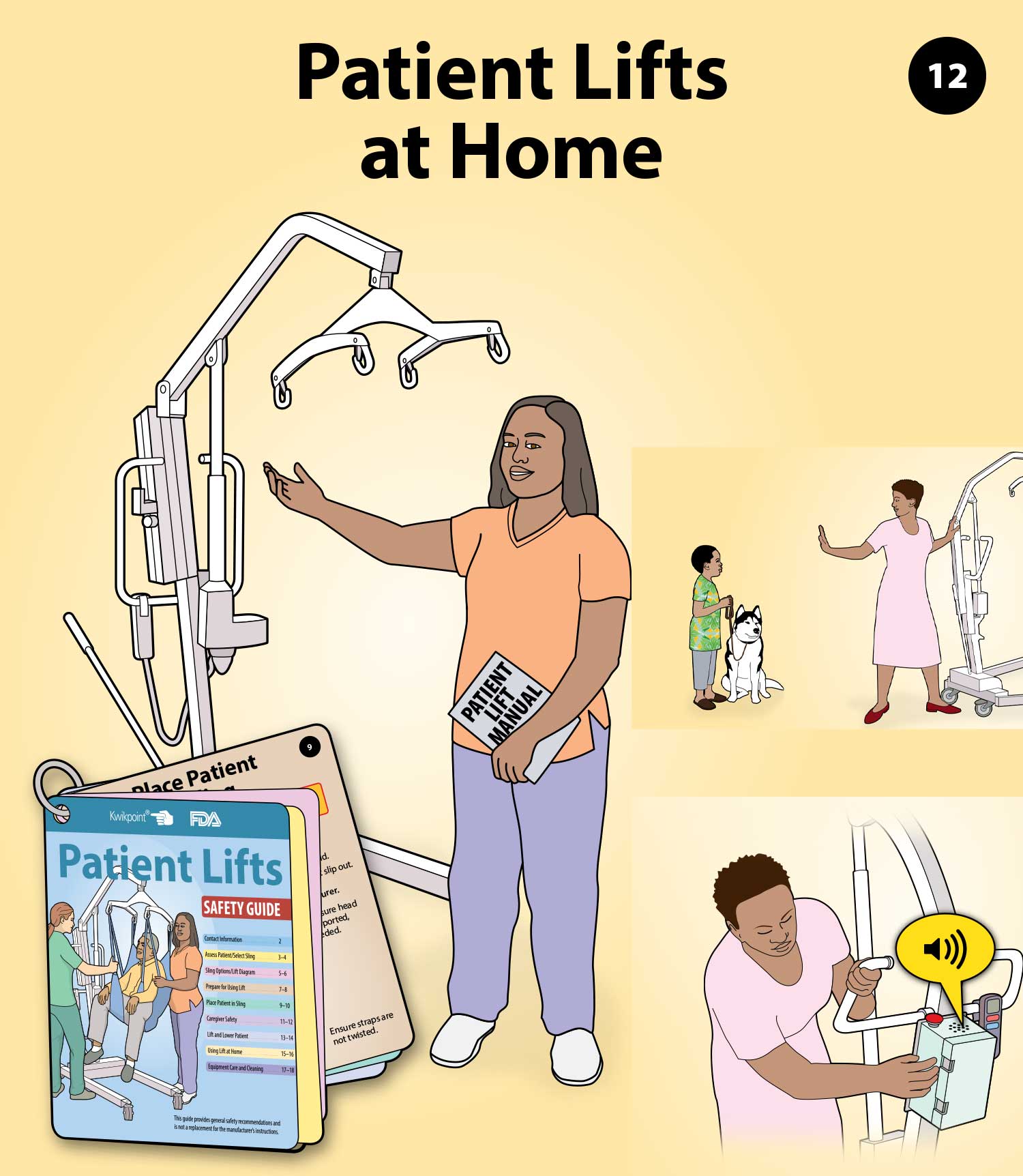
- Get training from a qualified medical professional before operating a patient lift at home.
- Keep manufacturer’s instructions close to your lift and always follow them.
- Have a back-up plan in case your lift stops working properly.
- When selecting a lift for home use, ensure you have the required number of caregivers needed to operate the lift.
- Keep children and pets away from lift.
- Make sure you recognize and understand the alarms and error messages. Always follow through when you hear an alarm.
- Call your supplier or manufacturer if you need help or have a problem with the device.
Sling Care
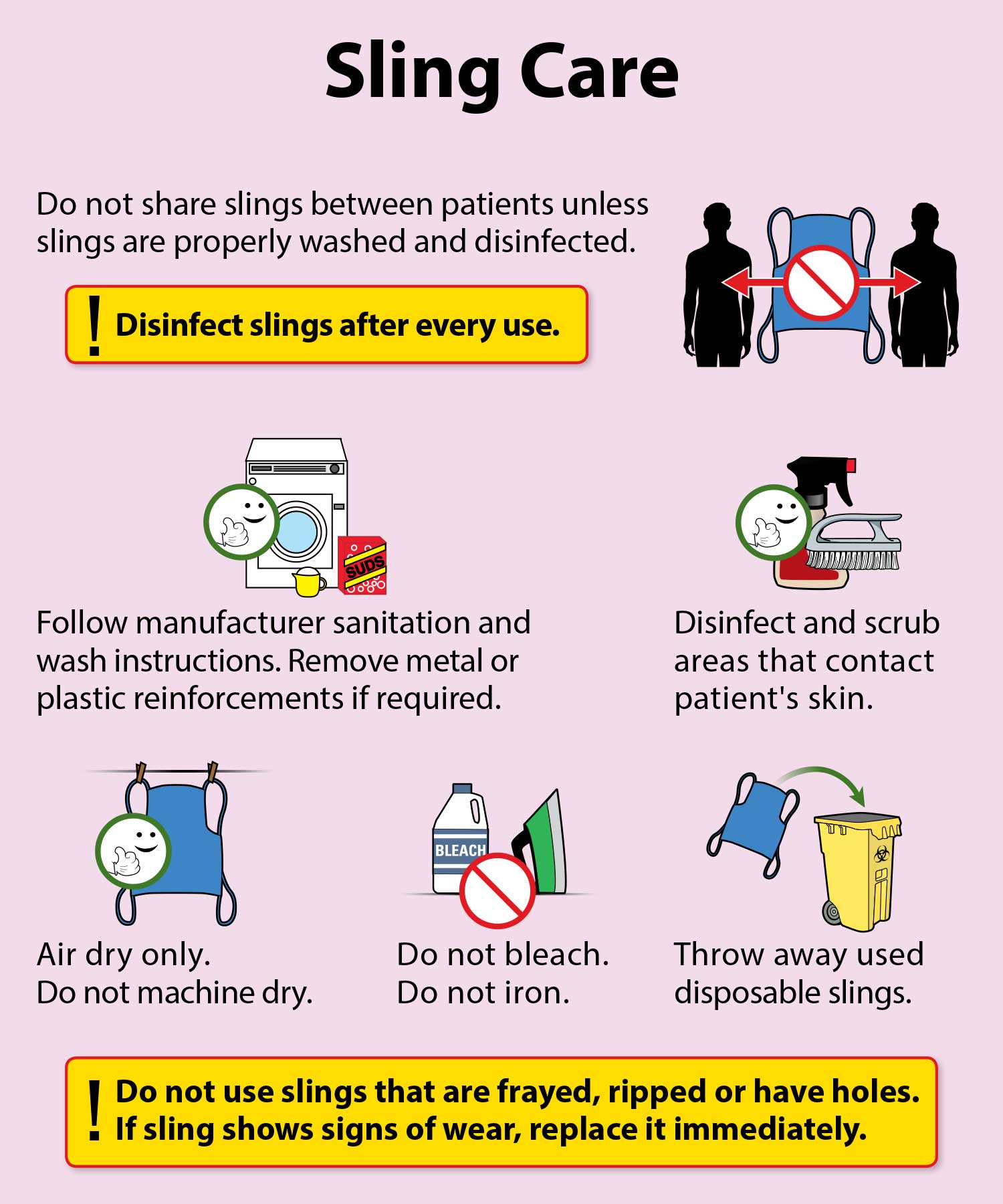
- Do not share slings between patients unless slings are properly washed and disinfected.
- Follow manufacturer sanitation and wash instructions. Remove metal or plastic reinforcements if required.
- Disinfect and scrub areas that contact patient’s skin.
- Air dry only. Do not machine dry.
- Do not bleach. Do not iron.
- Throw away used disposable slings.
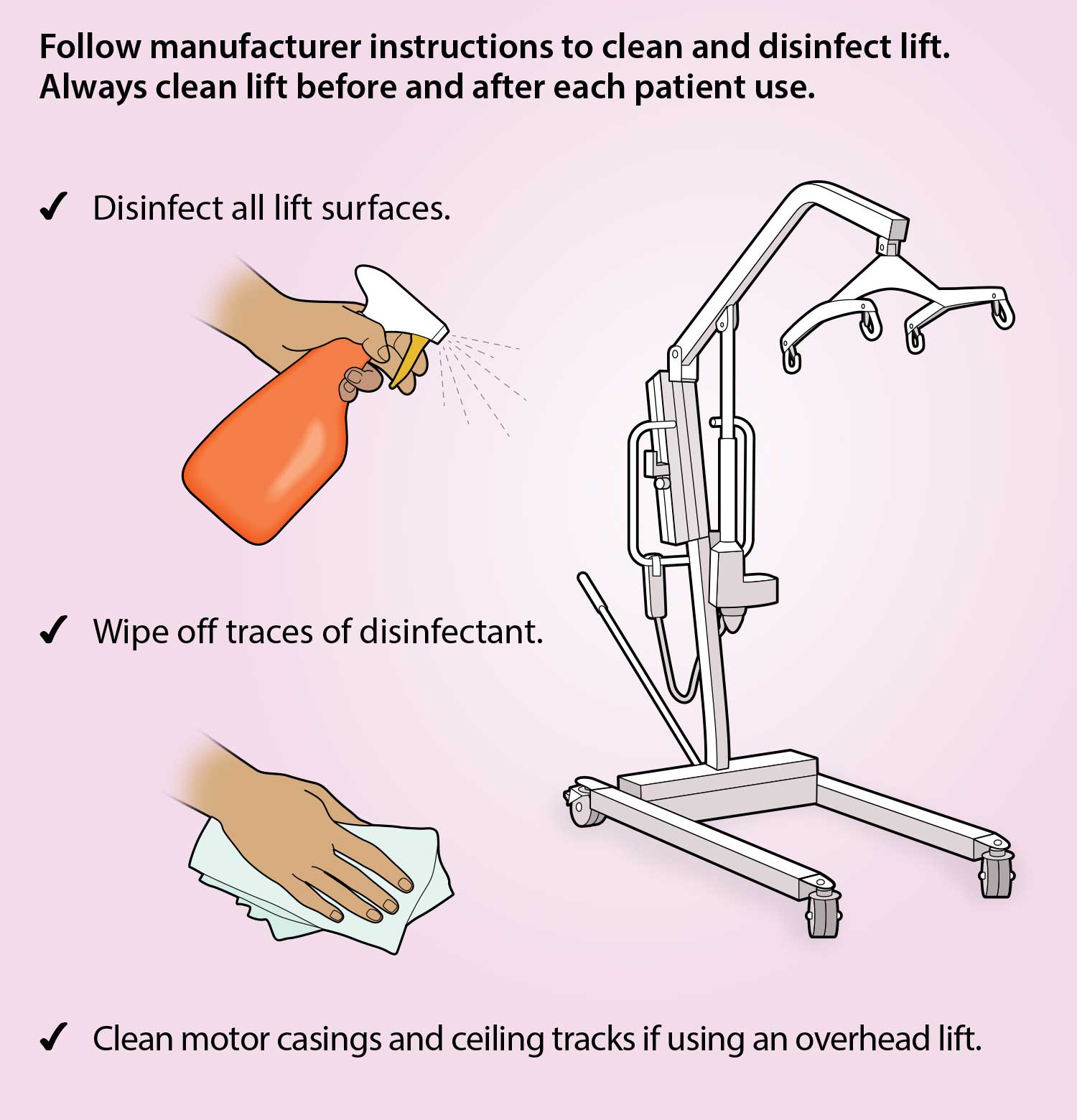
- Follow manufacturer instructions to clean and disinfect lift. Always clean lift before and after each patient use.
- Disinfect all lift surfaces.
- Wipe off traces of disinfectant.
- Clean motor casings and ceiling tracks if using an overhead lift.
Sling Guide: Choose the right sling
Find the perfect Guldmann lifting sling for safe, comfortable and dignified transfers. Get expert guidance in our easy Sling Guide. Always clean lift before and after each patient use.
Recommended products
-
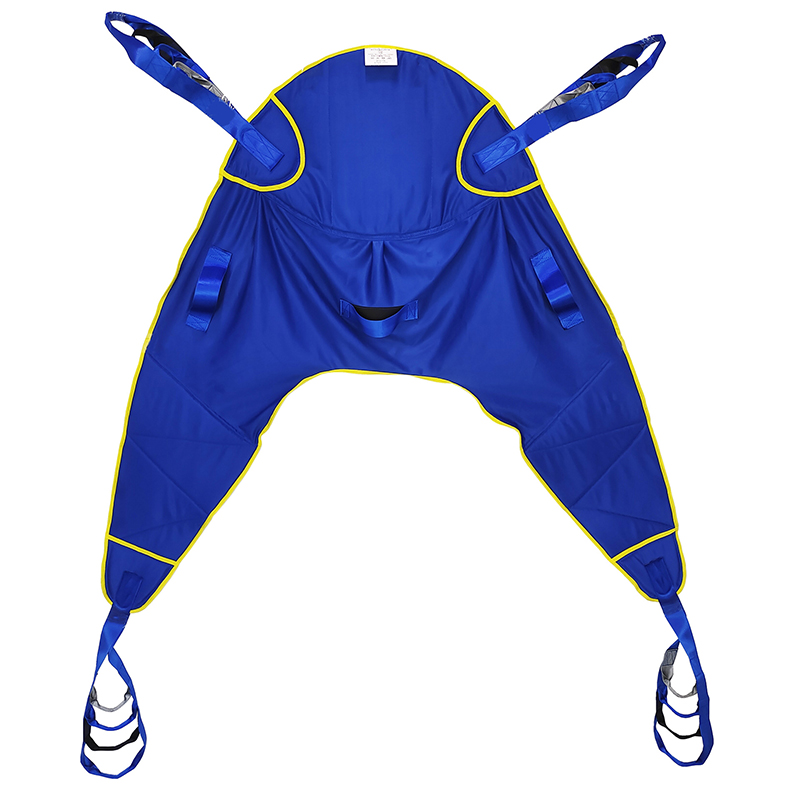
2022 Patient Lift Sling with Head Support
-
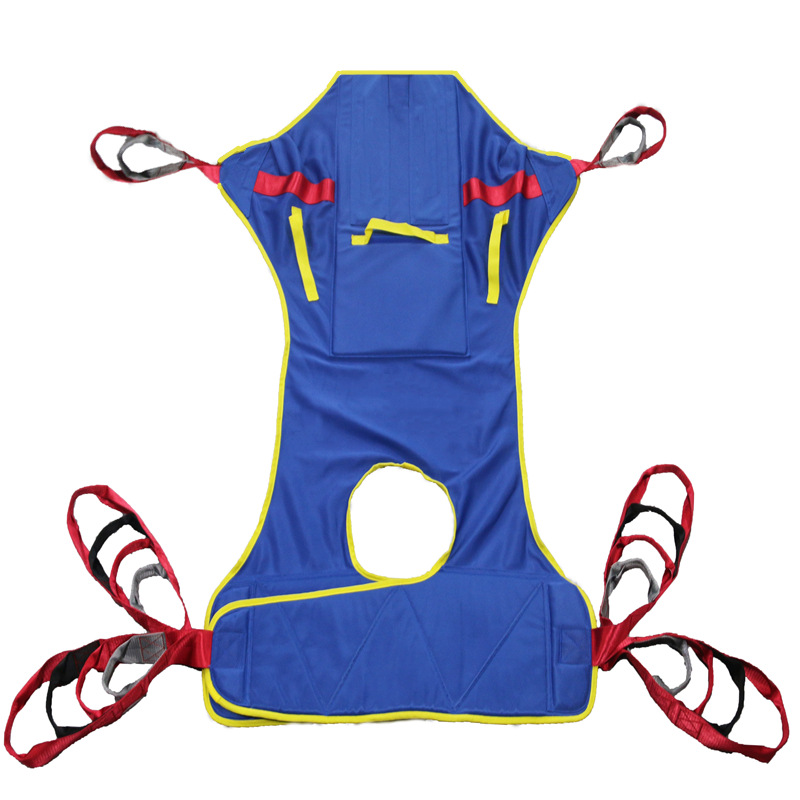
Deluxe Full Body Sling with Commode Opening
-
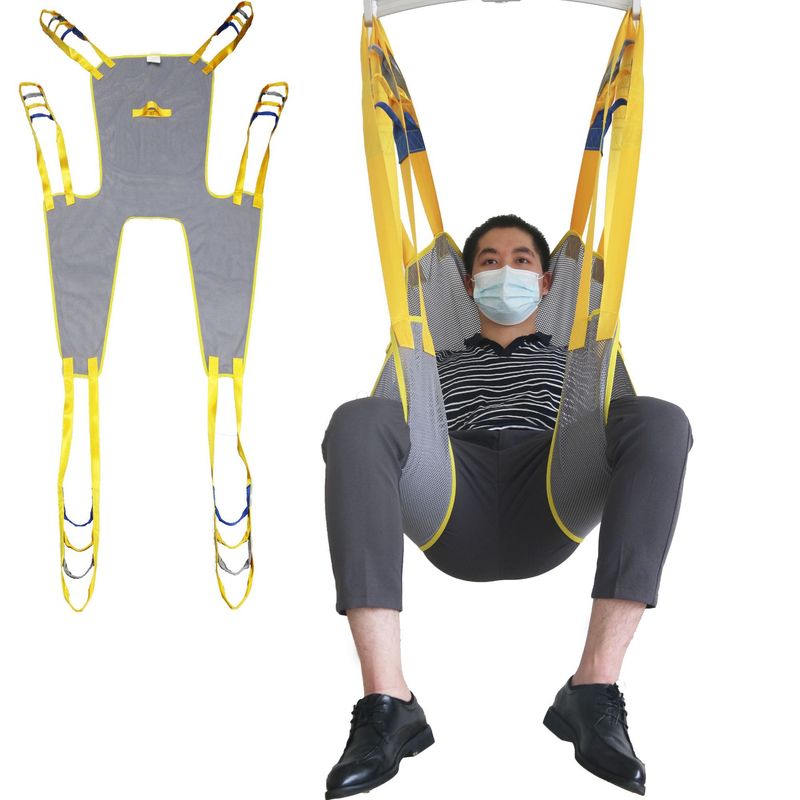
Full Body Divided Leg Mesh Patient Lift Sling
-
Full Body Divided Leg Mesh Patient Lift Sling
-
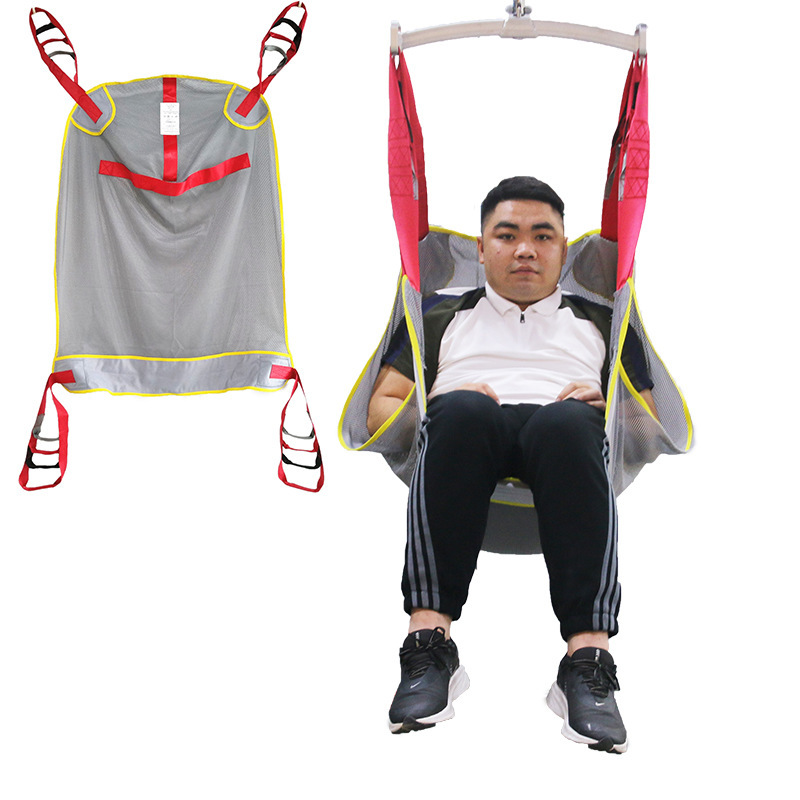
Full Body Mesh Patient Lift Sling Commode Opening
-
Hoyer Lift Sling For Toileting
-
Padded Sitting Lift Sling Toileting 500lb
-
Padded U Patient Lift Sling with Head Support
-
Patient Lift Sling for Transfer Moving