Last Updated on 5 days ago by admin
In the fast-paced world of healthcare, ensuring safe and efficient patient transfers is more critical than ever. With rising demands on caregivers and a focus on reducing workplace injuries, a patient slide sheet has become an indispensable tool for facilities like hospitals, nursing homes, and ICUs. But with so many options—from bariatric patient slide sheets to nylon patient slide sheets—how do you select the right one for your team? This comprehensive guide explores everything you need to know, from key features to market trends, helping you make informed decisions that boost safety, efficiency, and compliance.
Whether you’re searching for disposable slide sheets for high-volume use or repositioning slide sheets for specialized care, we’ll cover the essentials to streamline your procurement process. Ready to reduce caregiver injuries during patient transfers? Let’s dive in.
What Is a Patient Slide Sheet?
Patient slide sheet, also known as a transfer slide sheet or medical slide sheet, is a low-friction device designed to facilitate smooth patient movement without heavy lifting. Made from durable materials like nylon or polyester, it reduces the physical strain on caregivers while minimizing patient discomfort during bed-to-chair transfers, repositioning, or lateral moves.
Unlike traditional lifting equipment, slide sheets for patients are lightweight, portable, and versatile. They come in various sizes and capacities, such as 500lb capacity slide sheets, making them ideal for ICU patient transfer or nursing home slide sheets. Certified to standards like EN ISO 13485, these tools are engineered for hygiene and safety, often featuring antimicrobial coatings to prevent cross-contamination.
In essence, a quality low friction slide sheet transforms risky manual handling into a controlled, efficient process—directly addressing the “how to reduce patient handling injuries” dilemma that plagues many healthcare providers.
Key Benefits of Using Patient Slide Sheets
Investing in patient moving sheets isn’t just about compliance; it’s about tangible ROI in safety and operations. Here are the top advantages:
- Reduced Caregiver Injuries: Manual patient transfers contribute to over 30% of healthcare worker injuries annually. Repositioning slide sheets can cut this risk by up to 50%, according to industry studies, allowing your team to focus on care rather than recovery.
- Enhanced Patient Comfort: Smooth gliding prevents skin tears and pressure ulcers, especially for bariatric or immobile patients. Opt for bariatric patient slide sheets with padded edges for extra support.
- Time and Cost Savings: Faster transfers mean shorter procedure times and lower equipment maintenance costs. Facilities using disposable slide sheets report up to 20% efficiency gains in daily workflows.
- Regulatory Compliance: Meet OSHA and ISO standards effortlessly, avoiding fines and audits. For instance, EN ISO 13485 certified patient slide sheets ensure traceability and quality assurance.
By integrating these tools, you’re not just solving “the best way to move patients in bed”—you’re building a safer, more sustainable facility.
How to use a slide sheet on a patient?
Using slide sheet devices for in-bed movements has benefits not only for safety, but also for the patients’ comfort, security and dignity.
The risks of moving the full body weight of a dependent patient are well recognised. For horizontal transfers and many in-bed movements, the provision of a friction-reducing slide sheet may be a sound solution for reducing physical effort and improving patient comfort.
Slide sheets can help the more independent patient to move themselves within the bed. They can also be used by caregivers for in-bed repositioning for the more dependent patient.
Furthermore, International guidelines advise using textiles with low friction coefficients for individuals with or at risk of pressure injuries.
Applying Slide sheets under the patient – Unravelling and rolling methods
involves folding the low-friction sheet, placing the folded edge under the patient’s shoulders/hips (depending on movement direction), rolling the patient onto their side to tuck the sheet through, then rolling them back and pulling the sheet through to position it correctly for easy repositioning or transfers, minimizing skin shear and caregiver strain. Always use proper body mechanics (step stance, use body weight) and coordinate with a second carer if needed
Before You Start
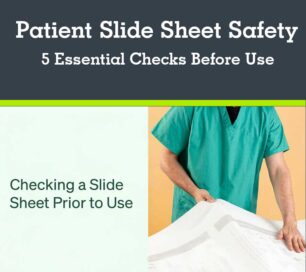
- Inspect Sheets: Check for damage and ensure they glide easily.
- Positioning: Place two sheets together lengthwise if possible; they should extend from head to heels.
- Preparation: Lock bed brakes; temporarily inflate air mattresses if used.
Applying the Sheet (Unrolling Method)
- Fold: Fold the slide sheet(s) in half lengthwise, then fold it into 20-30cm pleats (like an accordion).
- Orient: Turn the folded sheet so the single, open layer is on top and facing the head of the bed.
- Place: Tuck the folded sheet under the patient’s shoulders and hips, keeping the open edge towards the direction of movement.
- Roll: Have the patient gently roll onto their side (or roll them onto their side with assistance).
- Unroll: Use your body weight to push down and rock, unfolding one fold at a time, sliding the sheet out from under the patient’s back and legs.
- Reposition: Roll the patient back onto their back; the sheet is now correctly placed for sliding.
Rehabilitation activities involving passive limb movement can be aided with slide sheets reducing physical effort for the therapist and empowering the patient to achieve functional movement more easily and optimising mobility moments wherever possible.
Removing Slide sheets under patients
To remove slide sheets, gently pull the bottom layer first by reaching under the patient, grabbing the far corner, and folding/pulling it back on itself diagonally, working hand-over-hand to avoid skin shear; repeat with the top sheet, ensuring the patient stays stable and comfortable by keeping the sheet low and pulling smoothly to prevent friction or movement, often using two people for safety.
Key Principles
- Minimize Shear: The goal is to slide the sheet out without friction on the patient’s skin.
- Patient Stability: The patient should remain in position and comfortable throughout the process.
- Two-Person Technique: Often recommended for safety, especially with dependent patients.
Step-by-Step (Tubular/Flat Sheets)
- Position: Stand in a stable, step-stance with soft knees.
- Access: Place your hand between the layers of the slide sheet, near the patient’s feet or far side.
- Grab & Fold: Grasp the bottom layer (furthest from the patient) and bring the corner back and under itself.
- Pull Diagonally: Pull the sheet out on a diagonal, allowing it to slide smoothly.
- Work Hand-Over-Hand: Continue pulling the sheet back, working your way up the seam, one section at a time, letting it fold under itself.
- Remove Top Sheet: Repeat the process with the top slide sheet.
- Final Check: Ensure no sheet material remains under the patient to prevent falls or discomfort.
Tips for Success
- For Flat Sheets: You can fold both sheets down to the middle, remove them from behind the patient, and then raise the bed’s headrest.
- If Patient is at Risk: Start from the foot-end and work towards the head-end if they might slide down.
- Never Leave Unattended: Do not leave slide sheets under a person unsupervised.
Supporting sling installation with the use of Slide sheets
Using slide sheets helps install a sling by reducing friction, allowing carers to position it under a patient (in bed or chair) without rolling or excessive lifting, often by tucking and sliding the sheet/sling between body hollows (neck, waist, knees), then pulling the sling fabric to center it and position leg pieces smoothly for safe transfers, minimizing skin damage and strain. Key steps involve positioning the scrunched sheet behind the shoulders, sliding it down to the spine, placing the sling behind the sheet, and then sliding the sling’s leg pieces into place using a “hands in, slide through” or similar technique.
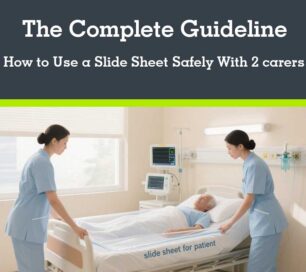
For Bed Sling Insertion (2 Carers)
- Position Slide Sheets: With the bed slightly raised, place two flat slide sheets lengthwise under the patient, one under the pillow/shoulders and the second one further down.
- Insert Sling: The lead carer feeds the sling’s leg strap (or the sheet itself) through the hollows (neck, waist, knees) between the two slide sheets, while the second carer holds the top sheet steady.
- Slide & Position: Gently slide the sheets/sling down towards the feet, then use the sheet to slide the sling’s leg supports into place under the legs, ensuring the sling is centered and smooth.
For Seated Sling Insertion (Patient Can’t Lean Forward)
- Prepare Tubular Sheet: Bunch a tubular slide sheet and place it behind the patient’s shoulders.
- Push Down: Tuck fingers into the bottom edge and push the sheet down to the base of the spine.
- Position Sling: Place the sling behind the slide sheet, then slide the sheet to move the leg pieces of the sling down and around the patient’s legs, using a slide sheet glove or hand to smooth them.
Key Principles & Tips
- Work with Fabric: Work with the fabric of the sling and slide sheets, not the straps.
- Reduce Friction: The goal is to glide the patient on the sheet, not roll them, minimizing skin damage.
- Use Body Weight: Use your body weight and rocking motion, not just arms, to slide the sheets.
- Safety First: Always ensure the patient is centered and the sling is correctly positioned before any transfer.
Using slide sheets for rehabilitation
Rehabilitation activities involving passive limb movement can be aided with slide sheets reducing physical effort for the therapist and empowering the patient to achieve functional movement more easily and optimising mobility moments wherever possible
Slide sheets are vital in rehab for reducing friction, making it easier and safer for patients to move in bed (turning, repositioning) and for transfers, benefiting both dependent and independent individuals by decreasing caregiver strain and preventing skin injury, promoting early mobility, and enhancing patient dignity by allowing smooth gliding rather than lifting. They work by having two low-friction layers that slide against each other, often placed under the patient and unravelled as needed, helping with tasks like rolling onto the side or moving up the bed.
How to Use Slide Sheets for Moving/Repositioning
- Positioning: Roll the patient onto their side and tuck the folded slide sheet (or two sheets) as far as possible under their hips and shoulders.
- Roll Back: Gently roll the patient back onto their back, onto the sheet.
- Unravel: Roll the patient to their other side, allowing the carer to pull the sheet through and unravel it under them, keeping the sheet flat.
- Move: With the sheet in place, the patient can now be slid (left, right, up, or down) with less effort, as the layers glide.
Benefits in Rehabilitation
- Reduced Injury Risk: Lowers strain on caregivers’ backs and reduces skin shear/pressure on patients.
- Increased Patient Independence: Helps more mobile patients assist themselves.
- Improved Mobility: Facilitates early movement, crucial for preventing complications like pneumonia or pressure sores.
- Enhanced Dignity & Comfort: Makes movements smoother and less jarring.
Types of Rehab Activities Aided by Slide Sheets
- In-bed repositioning (turning, sitting up).
- Lateral transfers (e.g., from bed to shower trolley).
- Passive limb movement, allowing therapists to move limbs with less resistance.
- Prone positioning (lying on the stomach).
How to use a slide sheet on a patient? check this video
Who provides slide sheets?
Slide sheets come in many different shapes and sizes, and Metacare is proud to provide the largest self-manufactured slide sheet/glide sheet range in the world. But don’t be daunted though – this simple means that we cater for everyone’s needs. The products themselves are very easy to understand.
What are slide sheets for in transferring patients?
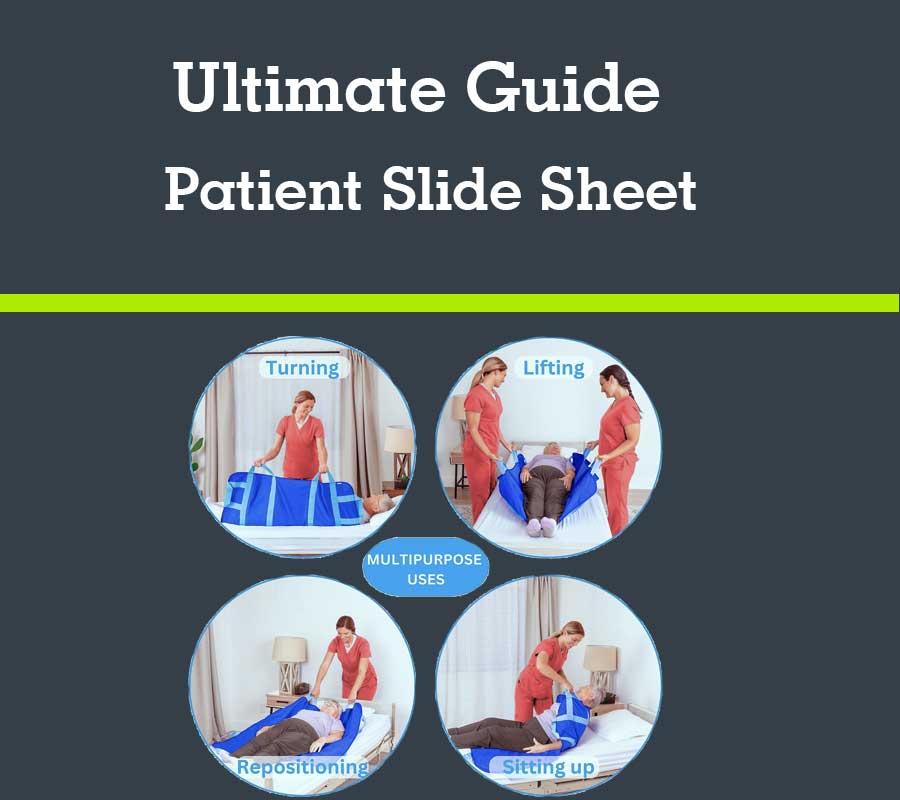
Slide sheets are an essential component of safe patient handling, allowing caregivers to transfer, reposition, and turn patients with minimal physical exertion.
Can one person use a slide sheet?
One glide sheet can be used on its own to support a person position their legs in bed and this technique can be carried out by one carer. A key point to remember is the person must be able to sit un aided at the edge of the bed, feet flat on the floor and hands on the bed.
What are the different types of slide sheets?
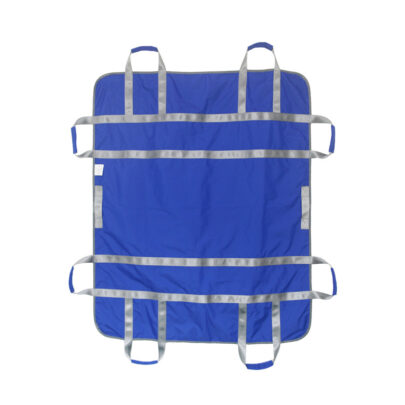
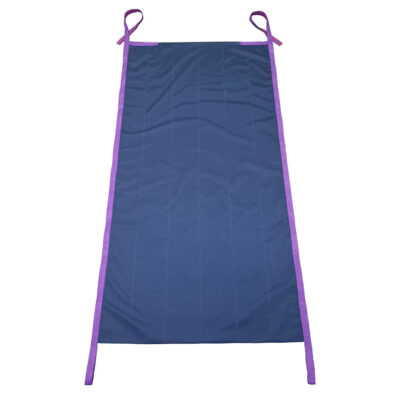
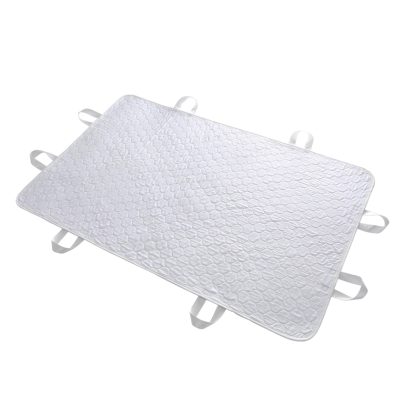
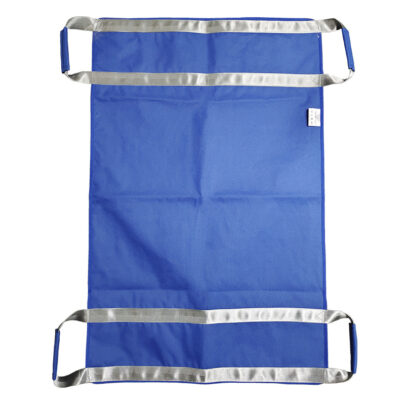
Flat, tubular, and handled designs, all crafted with smooth, low-friction fabrics to make turning, lifting, or repositioning patients easier and safer.
Essential Features to Look for in a Patient Slide Sheet
Not all slide sheets for patients are created equal. When evaluating options, prioritize these must-have features to match your specific needs:
- Material and Durability: Choose nylon slide sheets for superior low-friction performance and easy cleaning, or polyester blends for cost-effective reusability. Look for rip-stop fabrics that withstand repeated use in high-stress environments.
- Load Capacity and Size: For diverse patient populations, select 500lb capacity slide sheets or larger for bariatric care. Standard sizes (e.g., 70×70 inches) suit most beds, but customizable options excel in ICU patient transfer sheets.
- Handles and Grips: Ergonomic handles reduce slippage, while looped edges allow for two-person assists—crucial for nursing home slide sheets.
- Hygiene and Certification: Antimicrobial treatments and machine-washable designs are non-negotiable. Verify certifications like CE marking or AATEX for fire safety.
Pro Tip: For wholesale buyers, nylon patient slide sheet wholesale options often bundle these features at scale, ensuring bulk value without compromising quality.
Metacare Patient Slide Sheet
How to Choose the Right Patient Slide Sheet for Your Facility
Selecting the ideal medical slide sheet requires balancing your facility’s unique demands. Start with a needs assessment: What’s your primary use case—patient transfer in acute care or bed repositioning in long-term settings?
- Assess Volume and Environment: High-turnover ICUs benefit from disposable slide sheets, while nursing homes may prefer reusable low friction slide sheets for cost control.
- Budget vs. Long-Term Value: While entry-level models start at $20 per unit, investing in premium bariatric patient slide sheets (around $50–$100) yields savings through durability and injury prevention.
- Test for Fit: Request samples to evaluate glide performance on your equipment. Focus on metrics like friction coefficient (under 0.3 is ideal) and ease of storage.
- Supplier Reliability: Partner with vendors offering ISO-certified products and responsive support. This ensures seamless integration and ongoing training.
- Material and Durability: Opt for synthetic fibers like nylon for high strength and abrasion resistance, or polyester for softness. Choose materials that withstand frequent washing and high-temperature disinfection without degrading.
- Load Capacity and Size: Look for clear weight limits, such as 500lbs for standard or over 1000lbs for bariatric patient slide sheets. Sizes should vary to fit pediatric to bariatric patients and tasks like bed adjustments or stretcher transfers.
- Friction Coefficient and Surface Design: Prioritize low-friction models—ideally under 0.3—with dual-layer coatings or microbeads for effortless gliding. Sample testing can confirm performance.
- Reusability: Reusable nylon patient slide sheets are eco-friendly and cost-effective long-term, while disposable slide sheets excel in infection control-heavy areas, eliminating cleaning needs.
- Certifications and Compliance: Ensure compliance with international standards like ISO 13485, CE marking, or FDA registration for safety and quality assurance.
| Factor | Description and Options | Applicable Scenarios |
|---|---|---|
| Material | Nylon (durable, high-strength), Polyester (soft, comfortable), Composites | Based on wear resistance, comfort, and cleaning requirements |
| Load Capacity | Standard (350-500lbs) to Bariatric (1000lbs+) | Tailored to patient body types |
| Size | Various options (small for positioning, large for full-body transfers) | Matched to transfer tasks and patient sizes |
| Surface Design | Single-layer smooth, Dual-layer low-friction, Disposable surfaces | Dual-layer for ease; Disposable for infection control |
| Reusability | Reusable (eco-friendly, lower long-term cost), Disposable (convenient, no cleaning) | Reusable for general use; Disposable for high-infection risks |
| Certifications | ISO 13485 (quality management), CE Mark, FDA Registration | Ensures adherence to safety and quality standards |
By addressing these factors, you’ll secure a solution that tackles “how to reduce caregiver injuries during patient transfer” head-on.
Industry Outlook and Market Analysis for Patient Slide Sheets
The patient slide sheet market is poised for robust growth, driven by an aging global population and heightened focus on workplace safety. According to recent forecasts, the global patient handling equipment market—encompassing slide sheets—is projected to reach $12.5 billion by 2030, with a CAGR of 10.2% from 2025 onward. Key drivers include:
- Aging Demographics: With over 1.5 billion people aged 60+ by 2050, demand for tools like repositioning slide sheets in home care and nursing facilities will surge.
- Regulatory Pressures: Stricter OSHA guidelines and EU health directives are mandating safer handling practices, boosting adoption of certified products.
- Technological Advancements: Innovations like smart fabrics with embedded sensors for real-time feedback are emerging, potentially increasing market value by 15% in premium segments.
Challenges persist, such as supply chain disruptions and varying regional standards, but opportunities abound in emerging markets like Asia-Pacific, where healthcare infrastructure is expanding rapidly. For B2B buyers, this translates to competitive pricing and customization—ideal for scaling operations without overhauling budgets.
Top Successful Brands in the Patient Slide Sheet Market
Navigating the crowded market? These established brands lead with innovation, reliability, and proven results, setting benchmarks for patient slide sheet quality:
- Metacare (Metacare Industrial Ltd): a professional manufacturer of Safe Patient Handling and Protection, including air-assist lateral transfer mattresses, EMS portable transfer sheets, repositioning sheets, and body wedges, all kinds of heel protections, and healthcare patient recovery solutions
- HoverMatt (Hover Inc.): A pioneer in air-assisted technology, their air-powered patient slide sheets dominate ICU settings, reducing transfer times by 70%. Widely used in U.S. hospitals, they’re praised for seamless integration with existing beds.
- Patient Handling Solutions (e.g., Mangar Systems): Known for durable bariatric patient slide sheets with up to 1,000lb capacities, they’ve secured contracts with major NHS trusts in the UK, emphasizing ergonomic designs that cut injury claims by 40%.
- Arjo: A global heavyweight, Arjo’s nylon slide sheets feature patented low-friction coatings and are ISO 13485 certified. Their wholesale programs serve over 5,000 facilities worldwide, with strong reviews for longevity and hygiene.
- Blue Chip Medical: Specializing in disposable slide sheets, this U.S.-based brand excels in cost-sensitive environments like long-term care, boasting antimicrobial tech that aligns with CDC guidelines.
These leaders highlight a trend toward hybrid reusable-disposable models, offering B2B buyers flexibility. When sourcing, compare via platforms like Alibaba for nylon patient slide sheet wholesale deals from certified suppliers.
Industry Outlook and Market Analysis for Patient Slide Sheets
The patient slide sheet market is part of the broader patient handling sector, driven by global aging trends, chronic disease prevalence, and emphasis on caregiver safety. The patient lateral transfer market, encompassing slide sheets, was valued at USD 461.47 million in 2024 and is projected to reach USD 510.43 million in 2025, growing to USD 1,203.8 million by 2035 at a CAGR of 9.2%.
Future trends include:
- Technological Integration: IoT-enabled sheets for monitoring transfers and optimizing operations.
- Material Innovations: Lighter, stronger, skin-friendly fabrics enhancing durability and comfort.
- Personalization and Smart Solutions: Customized designs for specialties like burn units, integrated with smart beds or robotics.
Opportunities lie in emerging markets with expanding healthcare infrastructure, though challenges like supply chain volatility persist. For B2B buyers, this growth means more competitive nylon patient slide sheet wholesale options and innovations in 2025.
Real-World Case Study: Transforming Patient Safety at Elmwood Nursing Home
At Elmwood Nursing Home, a 150-bed facility in the Midwest, manual transfers led to 12 caregiver injuries in 2023 alone. Switching to custom nylon patient slide sheets with 500lb capacity from a trusted supplier slashed incidents by 35% within six months. Staff training took just two hours, and ROI was realized through reduced sick days—saving $15,000 annually.
“These slide sheets for patients have revolutionized our workflow,” says Director Maria Lopez. “No more strains, just smoother care.” This success underscores the power of targeted solutions in real settings.
Conclusion: Elevate Your Patient Handling Today
A well-chosen patient slide sheet isn’t just equipment—it’s a safeguard for your team, patients, and bottom line. From bariatric patient slide sheets for heavy-duty needs to versatile ICU patient transfer sheets, the right tool addresses pain points like injury reduction and efficiency.
Ready to upgrade? Download our free Patient Slide Sheet Buyer’s Checklist or contact our B2B specialists for a personalized quote on nylon patient slide sheet wholesale options. Let’s make safe handling your facility’s standard—get in touch today for expert guidance.
Patient transfer / slide sheet OEM/WHOLSALE Quote Request