Last Updated on 1 month ago by admin
Braces and supports are widely used orthopaedic devices that can help when you have an injury of the joints, muscles, tendons, ligaments, or bones. You can use them as part of a non-surgical treatment plan for an injury or condition, and during post-surgical rehabilitation.
Devices vary in support depending on the material they are made from. For example, simple sleeve or wrap-around products mainly support through compression and light stabilisation, whereas more complex braces, such as hard-shell braces, can also restrict movement. Different designs and levels of stabilisation are available to target different types of injures and conditions. With some types of braces and supports, you are also able to adjust the product to your individual needs, for targeted treatment throughout your healing process.
What can braces and supports help with?
People sometimes use the words braces and supports interchangeably, but in reality, they have different functions targeted to specific needs. That’s why choosing the right product for your unique circumstances is really important. Here are just some of the situations where you may benefit from using an orthopaedic device:
- Chronic conditions and injuries
- General weakness and instability
- During recovery from acute injuries like sprains and strains
- Arthritic conditions
- Specific conditions such as tennis elbow and carpal tunnel syndrome
How do braces and supports work?
Braces are devices designed to support and stabilize a joint or muscle, especially after an injury or surgery. typically worn around the affected body part,such as the knee, ankle, elbow, or wrist. They often provide compression which can help to prevent and reduce swelling, which then reduces pain and improves your range of movement. Braces and supports can help you to take on daily challenges by alleviating pain in your joint.They can be made from various materials, including fabric, neoprene, metal, and plastic, depending on the level of support needed. Some common types of braces include:
- Knee braces – To support or stabilize the knee joint.
- Wrist braces – To prevent movement or protect a previously injured wrist.
- Ankle braces – To reduce the risk of sprains and stabilize the ankle.
- Back braces – For providing support to the lower back during physical activities.
Braces typically work by providing external support, reducing movement in an area, and helping to prevent overuse or further injury. They can also promote better alignment and posture during activities, which can be crucial for recovery or injury prevention.
Pros of Wearing Braces During Activities
Injury Prevention
For athletes or individuals engaging in high-impact activities, wearing braces can significantly reduce the risk of injury. For example, an ankle brace helps prevent sprains or twists, while a knee brace can protect the joint from hyperextension or excessive twisting motions. This is especially important for people with a history of injuries or those who engage in sports that put a lot of strain on the body’s joints.
A brace provides an extra layer of protection, ensuring that the joint is not subjected to movements that could cause further damage. If you’re recovering from an injury or have a weak area prone to injury, wearing a brace can offer peace of mind during physical activity.
Increased Stability and Support
Braces can provide added stability to the joints, muscles, or bones that may be vulnerable during certain movements. This support can help you perform exercises or activities with more confidence, especially if you’re rehabbing an injury or managing a chronic condition. For example, a back brace helps stabilize the spine during lifting or strenuous physical activity, while a knee brace can give additional support when running or jumping.
By offering extra stability, braces can reduce the feeling of weakness or instability, enabling athletes and active individuals to perform at their best without fear of aggravating their condition.
Pain Relief and Comfort
Some braces are designed with cushioning and compression to relieve pain associated with movement or pressure on injured areas. For individuals with conditions like arthritis, tendonitis, or post-injury discomfort, wearing a brace can help manage pain during exercise or physical activity.
Compression braces, for example, can help reduce swelling and inflammation in the joints, providing comfort and reducing pain as you move. This is particularly helpful when dealing with ongoing conditions or recovering from an injury where full mobility may still be a challenge.
Enhanced Confidence and Peace of Mind
In many cases, individuals feel more confident when wearing braces during physical activities, knowing that they have additional support for their joints or muscles. This peace of mind can lead to a more effective and enjoyable workout or sporting experience, as you can focus on your performance without worrying about aggravating an existing injury.
For people who are recovering from a serious injury or surgery, the added stability can offer significant reassurance during activities that may feel intimidating.
Support During Rehabilitation
When recovering from an injury, using a brace can help facilitate the rehabilitation process by protecting the injured area while also allowing for movement and strengthening. A brace can provide the necessary support to avoid re-injury as you gradually increase the intensity of your physical activities, especially if you are working with a physical therapist to regain strength and mobility.
Cons of Wearing Braces During Activities
Dependency and Weakening of Muscles
One of the major downsides to wearing a brace regularly is the risk of developing a dependency on it. When you rely on a brace for support, the muscles and ligaments around the joint may not work as hard as they should, potentially leading to muscle weakness over time. This is particularly true for athletes or individuals who wear braces for extended periods without actively working on strengthening the affected area.
For example, if you wear a knee brace to prevent injuries, your quadriceps and hamstrings might not develop the strength needed for proper knee function. Without sufficient muscle strength, the joint could become more vulnerable in the long run.
Reduced Range of Motion
Although braces provide stability, they can also limit the range of motion in the area they support. For certain activities, a reduced range of motion may not be ideal, as it can affect your performance or technique. For instance, wearing a tight brace during running or cycling can hinder your stride or mobility, making it harder to move freely.
If you’re using a brace during rehabilitation, it’s important to balance its use with exercises that maintain or increase your range of motion, so that your body does not become overly reliant on the brace.
Discomfort and Skin Irritation
While many braces are designed to be comfortable, they can still cause skin irritation, sweating, or discomfort, especially when worn for long periods. For example, a neoprene brace may cause your skin to become irritated or overly hot, leading to discomfort or even rashes.
It’s important to make sure that your brace fits properly to minimize discomfort and skin irritation. If you experience these issues, it may be helpful to speak with a physical therapist to determine if an alternative type of brace would be more suitable for your needs.
False Sense of Security
One of the risks of wearing a brace is that it can create a false sense of security, leading people to push their limits too far or engage in activities they shouldn’t. While braces provide protection, they cannot prevent every possible injury, especially if you engage in high-risk activities that are too intense for your body’s current condition.
It’s crucial to remember that a brace is not a substitute for proper warm-up, strength training, or technique. While braces can help protect an area, they should not be relied upon exclusively, and proper injury prevention practices should always be followed.
Inconvenience and Cost
Braces, especially custom ones, can be costly. Depending on the type and level of support needed, braces can range in price, and some may need to be replaced periodically as they wear out. Additionally, wearing a brace can sometimes be inconvenient, particularly if you’re engaging in activities that involve a lot of movement or require specific gear. For example, wearing a brace while running may not feel as comfortable as running without one, and adjustments may be necessary to ensure proper fit.
Understanding different types of braces and supports
Braces
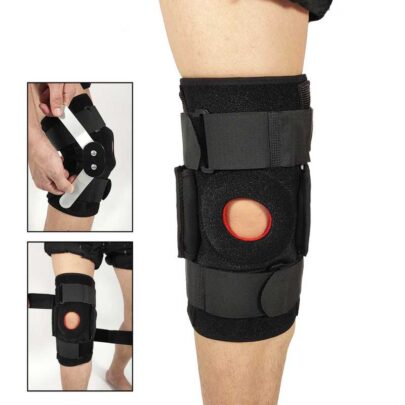
Braces or stabilisers tend to have a rigid structure to provide robust support. They limit motion and offer general stability to the affected joint or body part while it heals. You can use braces to help heal sprains or tears, as well as after surgical procedures that require limited movement for rehabilitation of the affected body part. You may also like to wear a brace to provide support and comfort for acute injuries sustained during athletic activities. A popular design is a knee brace that combines the support and benefits of a sleeve, such as compression, but also features elements that both stabilise the patella, as well as the knee itself through additional stays.
Supports
Supports are usually simple sleeve or wrap-around products that you slide onto your foot, knee or wrist, like a sock or glove. Some may have a basic additional strap for added support. Supports tend to be slimmer and more lightweight than braces and allow for freer joint movement. They are ideally worn to prevent re-injury or further damage. Some supports come with additional material features, such as ceramic yarns that retain and reflect body heat. These yarns help to support pain relief by providing warmth which is beneficial in the management of arthritis.
Straps
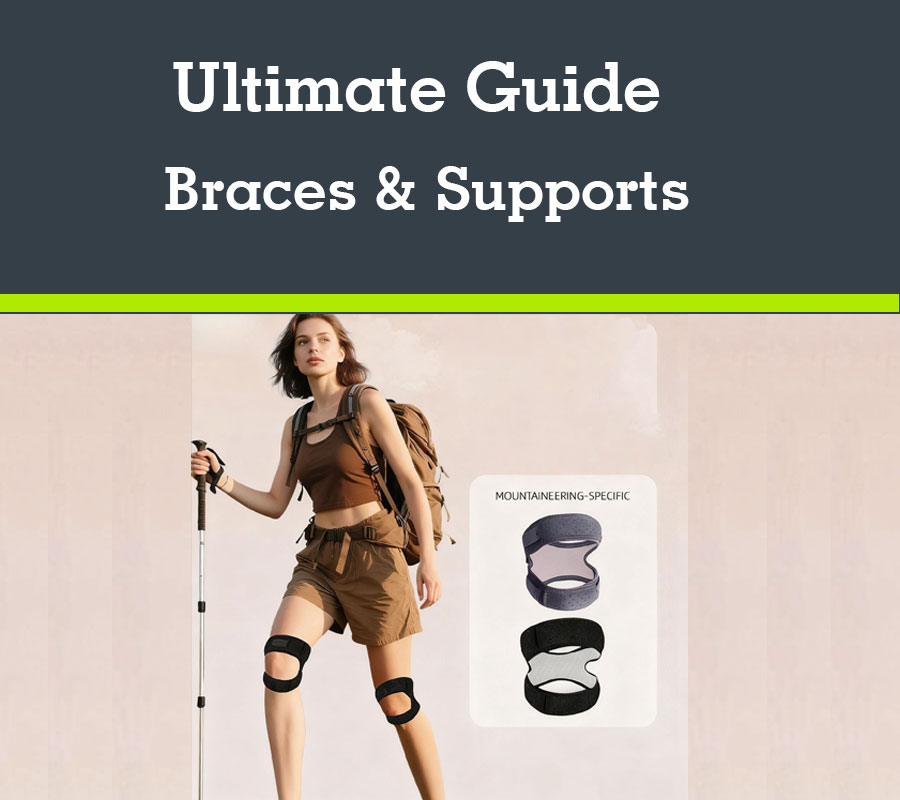
Straps are band-like devices that wrap around the top or bottom of your knee, elbow or wrist. For example, a patella strap helps take stress – and therefore pain – from the distal attachment of the patellar tendon at the tibial tuberosity. Straps placed above the knee can reduce stress where friction is created around the knee. You can use knee straps to help manage runner’s knee and elbow straps to help conditions like tennis or golfer’s elbow.
Splints
Splints are often used to immobilize a joint or limb to prevent further skeletal, neurological, and soft tissue damage, with the intention of significantly reducing pain. It is important to immobilize certain injuries, such as fractures and severe sprains, properly to allow for undisturbed healing of all structures.
What different types of braces and supports are available?
There are various devices available that can help when you have a sprain or strain or another orthopaedic injury. These devices can also help people living with chronic conditions such as arthritis. Here are some examples of how specific devices are used.
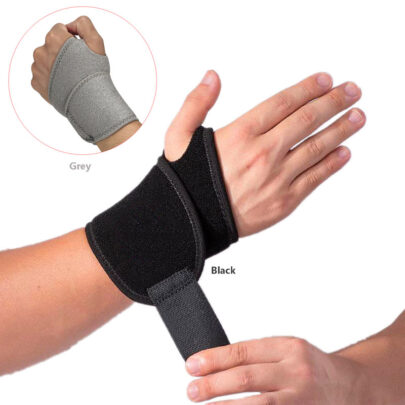
Knee and Wrist Braces
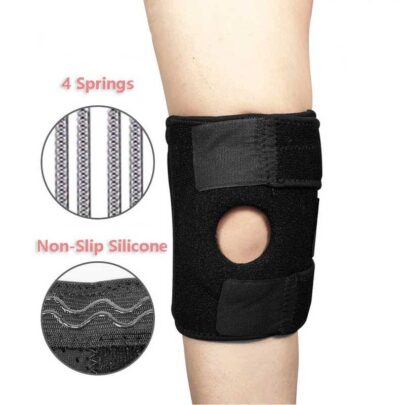
Knee Supports
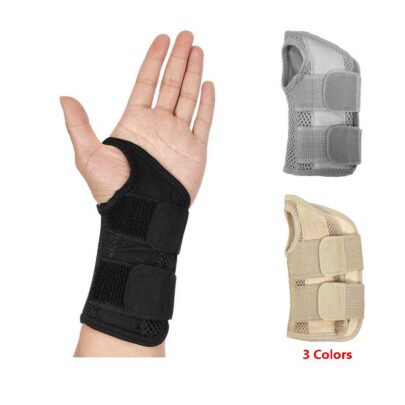
Wrist, Elbow and Knee Straps
How to use braces and supports effectively
The length of time you will need to wear a brace or support will differ depending on your diagnosis or condition. For example, you may need to wear a brace for a sprained ankle for several weeks; however, if you have a condition such as arthritis or carpal tunnel syndrome, you may need to wear it any time the condition flares up.
Speak to your doctor or a medical professional to confirm how long you should wear your support. Remember, braces and supports are designed to assist with the healing process and allow you to live your daily life.
Tips for choosing the right brace or support product
When choosing the right brace or support product, you may want to consider the following:
Comfort
When choosing a support or a brace, you want it to be comfortable. Select a product that offers the right level of support based on your individual needs. Aim for a feeling of compression and stability but ensure that your device does not restrict blood flow to any areas of your body. It should not feel overly tight or cause you further pain or discomfort. Lower levels of protection should feel more flexible, whereas maximum protection products such as braces will feel more rigid.
Material
To optimise comfort, consider how breathable you would like the support or brace to be. Braces can be made of neoprene or other fabrics.
Size
When selecting a brace or support, it is very important to select the correct size, otherwise the product may not be effective. For example, most ankle braces are sized based on ankle circumference or shoe size. Be sure to consult the size chart for the best fit and support.
Activity level
It’s important to think about the activities you’ll be doing when wearing the brace or support. When you are active or playing sports, you might want to look for neoprene-free products that don’t get too hot.On the other hand, if you are looking for a device for everyday use, you may want supports with features specifically designed for comfort. For example, the Actimove Everyday Supports Elbow Support has a soft, smooth Motion-Comfort-Zone which may be ideal to wear on a day-to-day basis.
What is a knee brace?
A knee brace is a medical device that stabilizes your knee joint and holds it in place. Healthcare providers use braces to protect and support your knee after an injury. You might have to wear knee support after knee surgery. Providers sometimes call them orthoses.
There are lots of reasons you may need to wear a knee brace. Some examples include:
- Knee sprains or other ligament injuries
- Patellofemoral pain syndrome
- Kneecap instability or dislocations
- Patellar tendinitis or other tendon issues
- Peripheral neuropathy
- Knee arthritis
- Joint hypermobility syndrome
- Ehlers-Danlos syndrome
Your provider might suggest a knee brace to reduce your risk of sports injuries. Some people can wear a brace to help manage knee pain.
Wearing a knee brace isn’t a good substitute for seeing a healthcare provider. Visit a provider before buying or wearing one. They’ll diagnose any injuries or issues. And they’ll help you choose the right type of brace if you need one.
What does a knee brace do?
A knee brace supports your knee and holds it in place. It keeps your knee in alignment. Braces are usually made of stiff plastic or metal. They have cushions and straps that wrap around your knee and leg.
A knee brace helps you avoid putting too much stress on your knee joint. It keeps your knee from moving too far or too suddenly. How much resistance and support a brace gives depends on which type you need.
Types of knee supports
The most common types of knee brace include:
- Unloader knee braces: Unloader braces get their name from how they support your knee. They help absorb some of your weight and “unload” pressure off your knee to other parts of your leg. They’re the most common type of brace healthcare providers suggest for knee arthritis.
- Patellofemoral knee braces: Patellofemoral braces protect and support your kneecap and the front of your knee.
- Knee immobilizer braces: These are knee braces you wear while you recover from surgery. They’re usually stiffer and prevent some (or all) movement.
- Functional knee braces: Functional braces help you safely use your knee. They prevent your knee from moving too much or too far in one direction. They’re the most common brace people wear after a knee injury.
- Prophylactic braces: Athletes wear these to prevent injuries. They’re especially popular in contact sports like football or rugby. Ask your healthcare provider if you should wear a prophylactic knee brace before you buy one.
- Knee sleeves: Knee sleeves are made of tight elastic material that lightly squeezes your knee. Some brands call them compression sleeves. They’re not actually braces. But they’re the most common type of knee support people wear.
Your healthcare provider will tell you where you can get a knee brace. You might need it custom-fitted. Some braces are available over-the-counter or at retail stores. Other types are only available with a prescription.
How do I put on a knee brace?
Most knee braces fit around your knee with stretchy elastic or Velcro® straps. The brace should be snug and secure without being too tight. It shouldn’t hurt or feel like it’s cutting off circulation to your leg.
It might feel strange or like the brace is pushing your knee into alignment. Especially at first. But it should never hurt or make knee pain worse. Talk to your healthcare provider or physical therapist before wearing a new brace. They’ll help you get used to putting it on, wearing it and moving with it.
What are the benefits and risks of wearing a knee brace?
Knee braces are a quick, easy way to support your knee joint. They may relieve symptoms like pain and stiffness. They can also help you heal safely. And they can help you feel safer and more confident. Many people also find that wearing a knee brace helps relieve pain and other symptoms, especially if they have knee arthritis.
But a brace may not help. There haven’t been studies that can prove for sure that wearing a brace was the reason someone avoided an injury. And you can’t prevent some kinds of injuries, even with a brace. But many people who wear prophylactic knee braces feel safer and more secure. That extra peace of mind is all they need to stay active or compete.
Complications from wearing a knee support are rare. But they can include:
- Skin irritation
- Pressure sores
- Nerve compression
How long do I need to wear my knee support?
How long you need to wear a knee brace depends on why you need it. Your healthcare provider will give you a recovery timeline after surgery or an injury.
Some people need to wear a knee brace when they’re physically active or during sports. Your provider may suggest that you always wear a brace. Or they’ll tell you when it’s safe to train, work out or play without one.
When should I call my healthcare provider?
Visit a healthcare provider if you have any of these symptoms:
- Severe pain
- Swelling that’s getting worse
- Discoloration or bruising
- Tingling
- Numbness
You can’t move your knee or leg
What are hand and wrist splints?
Hand and wrist splints are designed to protect and support painful, swollen or weak joints and their surrounding structures by making sure your hand and wrist are positioned correctly. Splints can be used for joints affected by arthritis or for other conditions, such as carpal tunnel syndrome.
There are two main types of splint:
- splints used while resting the joints of the hand and wrist
- splints used to support the hand and wrist while working.
Whichever type of splint you use, it’s best not to wear it all the time as this can increase stiffness in your joints.
Resting splints
A resting splint supports your hand and wrist in the best position while you’re resting. It can help reduce swelling and pain.
Resting splints are usually made from a moulded thermoplastic and are fitted with Velcro fastening straps and are usually made specially made for you by a physiotherapist, occupational therapist or orthotist.
Resting splints are best used:
- if you have pain overnight that disturbs your sleep
- occasionally during the day if your hands are especially painful
- during flare-ups of your arthritis.
Some people find that compression (Isotoner) gloves are also helpful in reducing pain and swelling and are easier to wear.
How do I put it on?
- Undo the straps.
- Place your hand into the splint so that it’s in contact with the palm of your hand and there’s no space between your wrist and the splint.
- If there’s a thumb section make sure that your thumb is also in contact with the material.
- Do up the straps – not too tight – starting with the strap nearest your elbow.
You may find it helpful to leave the strap over the fingers done up so that you can slide your hand in or out. This means there’s one less strap to undo.
Caring for your resting splint
Clean your resting splint by wiping it with a damp cloth. You may use warm, soapy water or a mild detergent. Use a towel to dry it and don’t store it on a sunny window sill or near a radiator.
Working splints
Working splints provide flexible support for your wrist and hand joints while you’re doing tasks that you might otherwise find painful.
They can help increase your grip strength, reduce pain and make jobs easier to manage.
Working splints are best used when:
- your wrist or thumb is swollen
- you’re having more discomfort than usual
- the joints in your hand feel weak.
Working splints are usually made of an elastic or light synthetic rubber-type fabric (e.g. neoprene) with Velcro straps. They’re available commercially or from physiotherapy or occupational therapy departments.
If you want to wear any type of working splint while driving, contact your insurance company first for advice about whether your cover will be affected.
There are different types of working splints, described below:
Wrist working splint
This is a wrap-around splint that has a metal bar inserted in a pocket on the palm side of your wrist. This helps to stabilise your wrist joint in a comfortable and efficient position.
How do I put it on?
- Undo the straps.
- Place your hand into the splint so that the supporting metal bar is fitting closely into your palm.
- Roughly line up the edges.
- Do up the straps – not too tight – this time starting with the strap nearest your wrist, as this is the narrowest part (if you start with the strap nearest your elbow it tends to push the splint down and restrict movement at your fingers. This isn’t the case for resting splints, which you fasten from your elbow first).
Wrist wrap working splint
This is a wrap-around splint that gives light support to your wrist.
How do I put it on?
- Place the loop over your thumb.
- Take the long section of the support round the back of your wrist and wrap around, pulling slightly.
- Do up the strap.
Thumb spica working splint
This is a wrap-around splint that goes around your thumb and wrist. Some have an extra support for the thumb joints. This helps to stabilise the thumb.
How do I put it on?
- Undo the straps.
- Place the reinforced strip on top of your thumb joints.
- Do up the straps – not too tight.
Caring for your working splint
It’s a good idea to wear cotton or rubber gloves over your splint, for example when gardening or cleaning, to help prevent it from getting dirty or wet.
If the splint contains a metal bar you should remove it (if possible) before the splint is washed. Check the position of the bar and be careful to replace it in the same position after washing the splint.
Working splints can be hand-washed in warm soapy water and then air-dried. Some splints can be washed in a washing machine, but you should check the label. It’s a good idea to place the splint in a pillowcase first to prevent the Velcro attaching to other washing.
Caring for your hands
It’s best not to wear your splint all the time, otherwise your joints may become stiff. And you shouldn’t wear a working splint overnight unless you’ve been advised to by your therapist or nurse.
When you take the splint off, make sure that you do some gentle wrist, finger and thumb exercises to help stop your joints from stiffening up.
Stop wearing your splint if it:
- rubs or causes pain
- doesn’t fit any more or is worn out
- leaves red marks or makes your fingers tingle.
If your skin is sore when you wear your splint then contact your rheumatology department or the therapist that issued the splint. It may be that you’re allergic to the material of the splint, or that it’s rubbing and causing too much pressure on your skin.