Last Updated on 21 minutes ago by admin
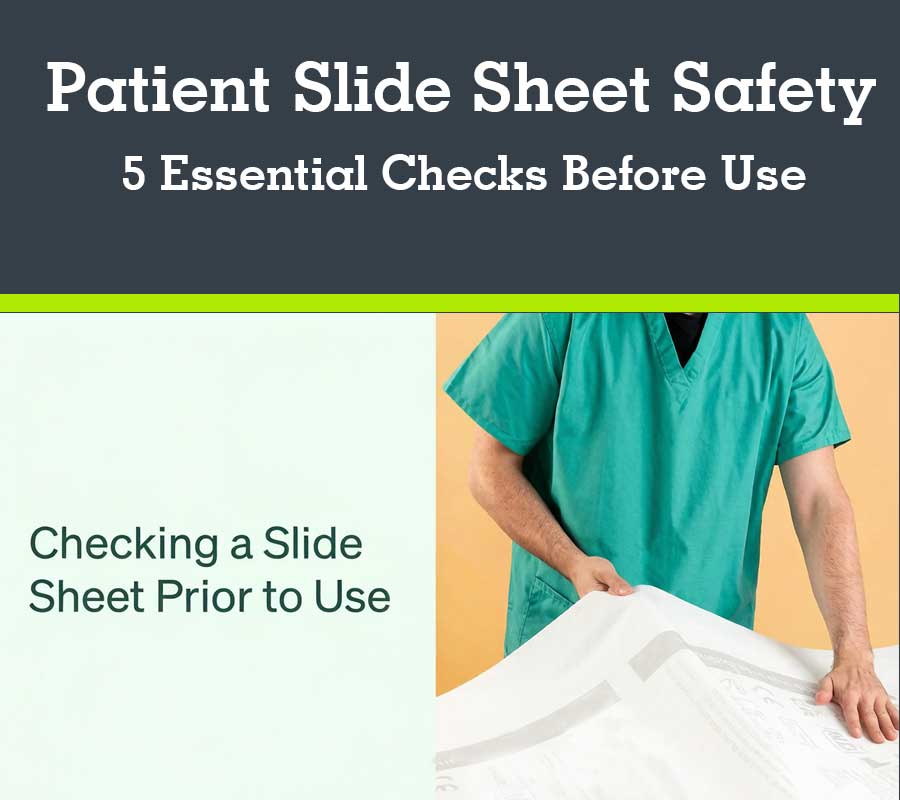
Why do we need to perform a safety check before using slide sheets? Patient moving and handling comes with risks, the risk of injury to the mover or patient, as well as external hazards. This is why it is so important to thoroughly check your slide sheets before use. Do you know what you need to check before using your slide sheet? In this article, we will be explaining how to check your slide sheet prior to use on a person.
Before using any slide sheet, flat or tubular, you need to check it is in good condition, firstly looking for any signs of wear, tear or damage. Fabric, thread and stitch degradation caused by continuous use will take place over time (as normal wear and tear and/or washing).
through your hands and look for any signs of damage or weakness. You can ask a colleague to assist you in these visual checks, or if you want to open up the sheet fully to perform the visual check.
Most importantly, you need to be checking the material is sliding, particularly for washable slide sheets as after multiple washes, the material can begin to lose its sliding properties. Place the slide sheet on top of a bed or a surface, put your weight through the slide sheet and make sure the two layers are sliding against each other.
Pre-Use Safety Check: A Step-by-Step Guide for Slide Sheets
1.Visual checks
The first part of slide sheet checks are the visual checks that are carried out as you open up the sheet. Slide sheets should be checked before every single use. As you unfold it, make sure to check for any obvious signs of damage. Things such as soiling, tears or loose threads.
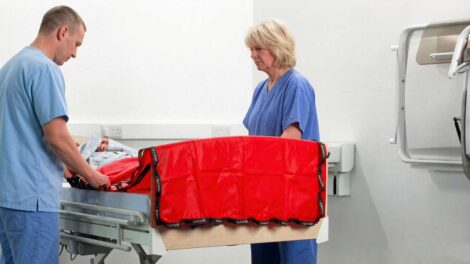
After an initial visual check, it is important to look closer and more thoroughly. Move the slide sheet through your hands and look for any signs of damage or weakness. You can ask a colleague to assist you in these visual checks, or if you want to open up the sheet fully to perform the visual check.
2.Physical checks
The visual check should highlight any issues with the slide sheet. However, to mitigate risks, you may want to also feel for any damage or first signs that damage could occur during use. For example, as you are running the slide sheet through your hands to look for visual damage, try to feel for any structural issues, loose threads or any spots that don’t feel right.

This is a useful check when using slide sheets with handles. Ensure the handles feel sturdy enough to use.
3.Environment safety check
While checking the slide sheets is important, it is also important to assess your surroundings. Look for any physical hazards such as cords, furniture or items on the floor that you could trip over.

If the patient is on a bed, ensure you have checked the bed is at the correct height for your movement. Also check that the hospital bed brakes are applied. Being aware of your surroundings helps further reduce risks.
4.Patient safety check
Don’t forget to check on your patient throughout, ensure they are not only positioned correctly, but that they are feeling safe and comfortable too. A comfortable patient allows you to move and position them with more confidence.

Ensure you let your patient know what is happening, tell them where you will be moving them for example. Include them in the process, which also builds trust.
5.Other safety check requirements
If a slide sheet shows any signs of damage or wear and tear, they should be discarded to avoid any risks to the mover or patient. There are also other elements you can check after your safety checks.
You should also check you are using the correct type, e.g. flat, tubular or transfer sheet. After this, you should also check the size is correct for the movement being carried out. Once you are prepared with your slide sheets, check you have any other accessories you may need, such as a bed wedge or extension straps.
Professional manual handler Metacare told us that the type and size of the slide sheet needed depends on a number of things, such as, what is the task? Where is the person going? How tall or wide are they? What space is available? Among other considerations. The wrong slide sheet could potentially be uncomfortable for the patient, and make the task more difficult for the handlers.
How to check a slide sheet prior to use
You can watch our video on checking a slide sheet prior to use here.
Before moving and handling a person, you should be doing a risk assessment or follow a handling plan set out by a professional.
Types of Slide sheets
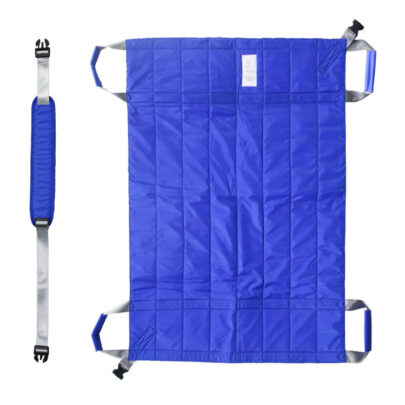
You can find a variety of slide sheets at Metacare. We supply flat and tubular in a wide range of sizes. You can also find these slide sheets in a patient specific option or reusable (launderable) option. Or perhaps you need slide sheets with handles, or you might require transfer sheets. We know that some handlers prefer to use handles when moving patients, check out our range of slide sheets with handles.
Recommended products
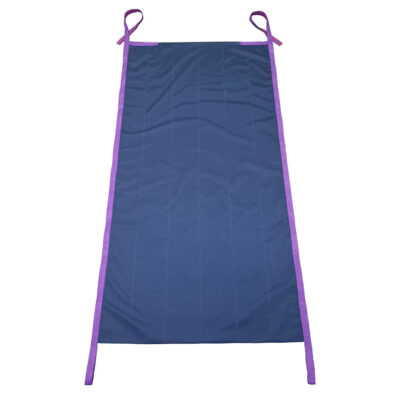
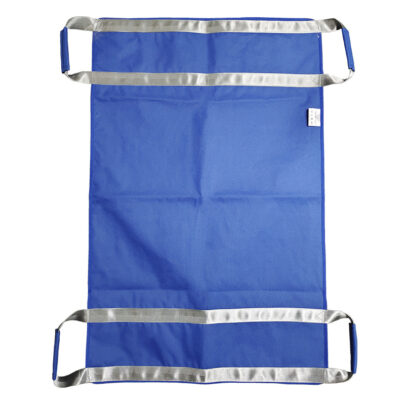
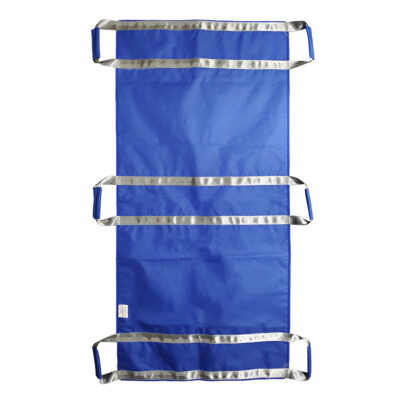
Whatever your requirements, we have a slide sheet for you.
How to choose the best type of slide sheet for a patient?
Slide sheets are an essential part of safe moving and handling in care settings. Their slippery fabric facilitates the movement and repositioning of residents, and reduces the risk of strains and injuries for care staff. But with several types available – including flat, tubular, and disposable options – how do you choose the best slide sheets for your needs?
Previously we have discussed tips for best practice when using slide sheets, and in this post we’ll take a closer look at the different types of slide sheets, and their uses and benefits in different contexts.
There are two main types of slide sheets commonly used in care homes:
Flat slide sheets
Flat slide sheets are simple rectangular sheets with handles made from low-friction material. These need to be positioned under the resident and then removed after use, which can take more time and handling. However, they’re ideal in situations where the sheet needs to be repositioned frequently or removed quickly for cleaning.
Tubular slide sheets
Tubular slide sheets are sewn into a loop, allowing for easier multi-directional movement. A tubular slide sheet is often preferred for turning residents in bed or moving them up the bed with minimal repositioning of the sheet itself. Tubular sheets tend to stay in place more easily, reducing staff effort.
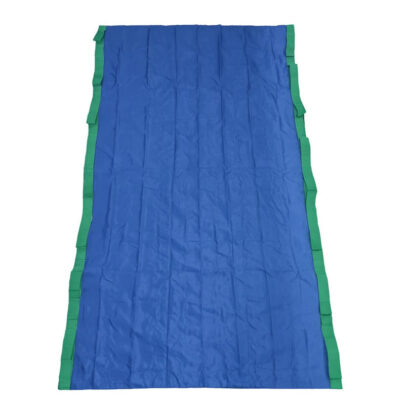
A third type of slide sheet is a handleless flat sheet. this type is Transfer Sheet Without Handles, which is for single-patient use and helps to promote hygienic care practices and cross-contamination risks. It can be used and re-used for as long as a patient/resident requires it, then disposed of when no longer needed.
Material and durability
Most slide sheets are made from specialist low-friction nylon or polyester fabric. Reusable options are machine washable and often last for repeated uses with the proper care. If choosing reusable sheets, look for those that can withstand high-temperature laundering (typically 70–90°C) to comply with infection control guidance.
Disposable slide sheets, on the other hand, are made from lighter-weight materials that prioritise hygiene over longevity. While they may not be as robust, they’re invaluable in situations where reusing equipment could pose a risk.
Slide sheets and infection control considerations
In care homes, where residents may have compromised immune systems, infection control is a top priority. If your team uses reusable slide sheets, it’s essential to have a robust laundering process in place and ensure that each sheet is clearly labelled and not shared between residents.
For homes looking to minimise the risk of cross-contamination, especially virus outbreaks like flu, COVID-19 or norovirus, disposable slide sheets offer peace of mind. Many care homes choose to keep a supply on hand for use during periods of increased infection risk.
Resident needs and risk assessment
When choosing slide sheets, consider the individual needs of your residents. Carrying out manual handling risk assessments will help you match the right type of slide sheet to each resident’s care plan.
Key factors to consider are:
- Mobility level: Some residents may only require occasional repositioning, while others need full assistance
- Skin sensitivity: Low-friction materials reduce shearing forces, making slide sheets especially helpful for residents at risk of pressure damage
- Comfort and dignity: Always choose sheets that minimise discomfort and support respectful handling Staff training and practical use
The best slide sheet in the world is only effective if staff are confident in using it. Regular training should be provided so carers understand how to use different types safely and efficiently. Storage, cleaning and disposal are important factors to consider when choosing slide sheets, so think about how easily your sheets can be:
- Stored and accessed
- Cleaned or disposed of
- Incorporated into everyday care routines
Some care homes opt for colour-coded sheets by size or type to speed up identification and improve workflow.
Getting the balance right
Choosing the best slide sheets for your care home comes down to balancing residents’ needs, practicality, hygiene, and budget. Many homes find that a mix of reusable and disposable sheets gives them the flexibility to adapt to different needs and situations.
In our range of moving and handling equipment, you’ll find a varied selection of slide sheets all chosen to help you deliver even better care. Whether you’re updating your equipment, preparing for inspections, or looking for a dependable, expert supplier, contact us today.